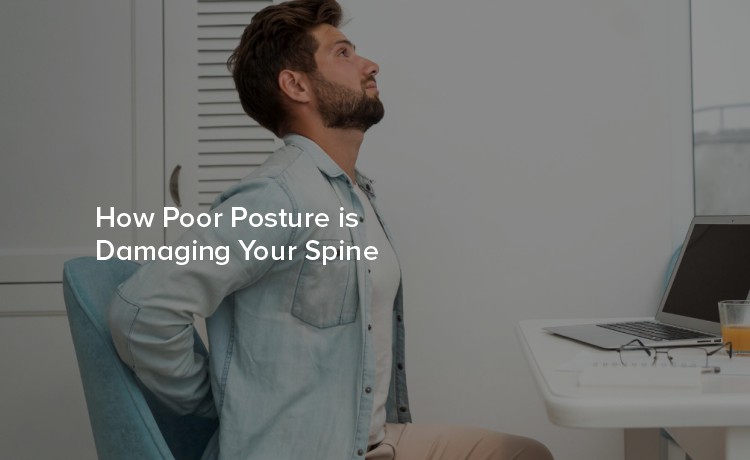
Most people don't realize their spine is under attack until it's too late. Poor posture isn't just about looking slouched—it's a silent threat that can lead to chronic pain, reduced mobility, and long-term spinal damage that affects every aspect of your daily life.
Your spine serves as the foundation for your entire body, supporting your head, protecting your spinal cord, and enabling fluid movement. When poor posture becomes habitual, it places excessive stress on spinal structures, leading to a cascade of problems that can take years to develop but become increasingly difficult to reverse.
Your spine consists of 33 vertebrae, intervertebral discs, ligaments, and muscles working together to maintain proper alignment. When you maintain good posture, these structures distribute weight evenly and function optimally. Poor posture disrupts this delicate balance, forcing certain structures to work overtime while others weaken from disuse.
The most common postural problem—forward head posture—places enormous strain on your cervical spine. For every inch your head moves forward from its neutral position, the effective weight on your neck increases by approximately 10 pounds. A head that weighs 10-12 pounds in proper alignment can feel like 42 pounds when positioned three inches forward.
Rounded shoulders and a hunched upper back compress the thoracic spine, reducing lung capacity and placing excessive pressure on the vertebrae and discs. Meanwhile, an anterior pelvic tilt or excessive lumbar curve strains the lower back muscles and ligaments while compressing the lumbar discs.
Intervertebral discs act as shock absorbers between your vertebrae, but they're particularly vulnerable to postural stress. These discs contain a gel-like center surrounded by tough outer fibers, and they depend on proper spinal alignment to maintain their health.
Poor posture creates uneven pressure distribution across the disc surface. When you slouch forward, the front portion of the disc experiences excessive compression while the back portion stretches beyond its normal limits. This imbalanced loading accelerates wear and tear, leading to disc degeneration, bulging, or even herniation.
The damage compounds over time because discs have limited blood supply and heal slowly. Once degeneration begins, the disc loses height and flexibility, placing additional stress on surrounding structures. This creates a domino effect where poor posture leads to disc problems, which then make maintaining good posture even more challenging.
Night-time sleeping positions can either help or hinder disc recovery. Discs naturally rehydrate during sleep when gravitational pressure is reduced, but poor sleeping posture can prevent this restorative process from occurring effectively.
Poor posture creates predictable muscle imbalances that perpetuate spinal problems. Certain muscles become overactive and tight while their opposing muscles weaken and lengthen. These imbalances don't just affect appearance—they fundamentally alter how your spine moves and functions.
Forward head posture typically causes the upper trapezius, levator scapulae, and suboccipital muscles to become tight and overactive. Meanwhile, the deep neck flexors and middle trapezius muscles weaken. This imbalance places constant tension on the cervical spine and can lead to tension headaches, neck pain, and reduced range of motion.
Rounded shoulders result from tight chest muscles and weak posterior deltoids and rhomboids. The internal rotation of the shoulders places stress on the thoracic spine and can contribute to thoracic outlet syndrome, where nerves and blood vessels become compressed.
Lower crossed syndrome, characterized by tight hip flexors and erector spinae muscles combined with weak glutes and deep abdominal muscles, creates excessive lumbar curve and places tremendous stress on the lower back. This pattern is extremely common among people who spend long hours sitting.
Spinal damage from poor posture doesn't happen overnight—it's a gradual process that often goes unnoticed until symptoms become severe. The progression typically follows a predictable pattern that can span decades.
Initially, poor posture causes muscle fatigue and occasional discomfort. Your body's natural healing mechanisms can usually manage this level of stress, and symptoms may disappear with rest or minor position changes. Many people dismiss these early warning signs as normal consequences of aging or daily activities.
As postural stress continues, adaptive changes begin occurring in your spine's structures. Ligaments may lengthen or thicken, joint capsules can become restricted, and bone spurs may develop as your body attempts to stabilize unstable segments. These changes represent your body's attempt to adapt to abnormal stress patterns.
The final stage involves structural changes that significantly impact function. Vertebrae may shift position, discs may degenerate significantly, and arthritis can develop in spinal joints. At this point, symptoms often become chronic and more resistant to conservative treatment approaches.
Modern technology has dramatically increased the prevalence of poor posture and accelerated spinal damage. Smartphones, tablets, and computers encourage sustained forward head postures and rounded shoulders that previous generations rarely experienced for extended periods.
"Tech neck" has become increasingly common, particularly among younger populations. The act of looking down at devices places the cervical spine in flexion for prolonged periods, stretching the posterior ligaments and compressing the anterior structures. Studies suggest that people check their phones an average of 96 times per day, creating countless opportunities for postural stress.
Working from home has exacerbated these problems, as many people lack proper ergonomic setups. Kitchen tables, couches, and beds have replaced properly adjusted workstations, leading to even more extreme postural deviations during work hours.
The addictive nature of technology also means people maintain poor postures for longer periods without natural movement breaks. This sustained static loading is particularly damaging to spinal structures that depend on movement for nutrition and health.
While back and neck pain are the most obvious consequences of poor posture, spinal damage can affect your entire body in surprising ways. The spine houses the spinal cord, which serves as the communication highway between your brain and the rest of your body.
Compressed or irritated spinal nerves can cause referred pain, numbness, or tingling in areas far from the actual spinal problem. Cervical spine issues might cause shoulder pain or headaches, while lumbar problems can create hip pain or leg symptoms.
Poor posture can also affect your breathing patterns. A hunched thoracic spine restricts rib cage expansion and forces you to rely more heavily on accessory breathing muscles. This can lead to shallow breathing patterns that affect energy levels, concentration, and overall well-being.
Digestive function can suffer when poor posture compresses abdominal organs. The hunched position common in poor posture can slow gastric emptying and contribute to acid reflux, bloating, and other digestive complaints.
Preventing posture-related spinal damage requires a comprehensive approach that addresses both the underlying causes and the compensatory patterns that develop over time. The key is consistency rather than perfection—small, sustainable changes often produce better long-term results than dramatic short-term efforts.
Ergonomic improvements form the foundation of postural health. Your workstation should support neutral spinal alignment with your ears over your shoulders, shoulders over your hips, and feet flat on the floor. Monitor height should position the top of the screen at or slightly below eye level to prevent forward head posture.
Regular movement breaks are essential for maintaining spinal health. The "20-20-20 rule" suggests taking a 20-second break every 20 minutes to look at something 20 feet away, but movement breaks should also include gentle stretching and position changes to counteract sustained postures.
Strengthening exercises should target the postural muscles that commonly weaken, including the deep neck flexors, middle trapezius, posterior deltoids, glutes, and deep abdominal muscles. These exercises don't need to be complex or time-consuming to be effective.
While many postural problems can be addressed through self-care and lifestyle modifications, some situations require professional intervention. Persistent pain that doesn't improve with rest and basic interventions may indicate structural damage that needs specialized treatment.
Neurological symptoms such as numbness, tingling, or weakness should always be evaluated promptly, as they may indicate nerve compression that could lead to permanent damage if left untreated. Similarly, headaches that worsen or change in character may be related to cervical spine problems requiring professional assessment.
Progressive postural changes, particularly in older adults, may indicate underlying conditions such as osteoporosis or compression fractures that need medical evaluation. A healthcare provider can determine whether postural changes represent normal aging or something more serious.
Early intervention often prevents minor postural problems from becoming major structural issues. Professional treatment can include manual therapy, specific exercise prescription, ergonomic assessment, and education about proper body mechanics.
Your spine's health directly impacts your quality of life, independence, and ability to enjoy activities you value. Poor posture may seem like a minor aesthetic concern, but its cumulative effects on spinal structures can create lasting problems that become increasingly difficult to address over time.
Don't wait for pain to be your wake-up call. Start implementing positive changes today, and consider consulting with a healthcare professional if you're experiencing persistent discomfort or want guidance on preventing future problems. Your spine supports everything you do—invest in its health now to maintain your freedom and vitality for years to come.