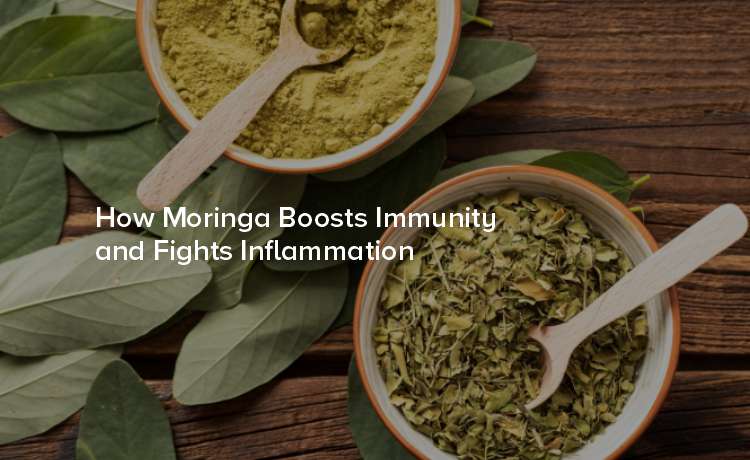
Over the last decade, superfoods have taken center stage in the health and wellness industry, and for good reason. Among these nutritional powerhouses, moringa stands out as one of the most impressive superfoods available. Touted for its numerous health benefits, moringa is often referred to as the "miracle tree" for its ability to address a wide variety of health concerns, including boosting the immune system and fighting inflammation.
Every part of the moringa tree has nutritional value, but the leaves, in particular, pack a powerful punch. The leaves are typically ground into powder or consumed fresh, and they are loaded with vitamins, minerals, antioxidants, and plant-based compounds.
Renowned for being one of the most nutrient-dense plants on Earth, moringa contains:
Now that you know what moringa is, let's break down exactly how it can provide the immunity and anti-inflammatory benefits you need.
A strong immune system protects your body from harmful invaders like bacteria, viruses, and toxins. Incorporating moringa into your diet can give your immune system the tools it needs to stay resilient. Here’s how:
1. Packed with Immune-Supporting Nutrients
Moringa is rich in immune-boosting vitamins and minerals. Vitamin C, one of the key nutrients found in moringa leaves, is critical for improving white blood cell production and protecting against infections. Additionally, zinc, an essential mineral present in moringa, plays a vital role in maintaining cellular immunity and speeding up recovery from illnesses.
For example, research has shown that regular consumption of moringa can improve the body's response to seasonal infections like the common cold or flu. Just one serving of moringa powder (approximately 10 grams) may provide more vitamin C than seven oranges!
2. Contains Powerful Antioxidants
Free radicals, unstable molecules produced during normal metabolic processes, can wreak havoc on healthy cells and weaken the immune system if not kept in check. Moringa is packed with antioxidants, such as quercetin and chlorogenic acid, that neutralize free radicals and protect your immune cells from damage. These antioxidants work tirelessly to enhance your natural defense mechanisms.
3. Balances Hormones and Reduces Stress
Chronic stress is one of the biggest culprits behind weakened immunity. Moringa contains adaptogens, which are natural compounds that help the body adapt to physical, emotional, and environmental stressors. By minimizing the stress response, moringa indirectly supports immune function, helping you maintain resilience even during overwhelming periods.
Inflammation is a natural response to injury or infection, but chronic inflammation can lead to long-term health problems, including arthritis, heart disease, and diabetes. Luckily, moringa offers numerous anti-inflammatory properties to help manage this condition:
1. Reduces Pro-Inflammatory Cytokines
Cytokines are proteins involved in inflammatory responses. While cytokines are essential during acute infections, their overproduction can lead to chronic inflammation. Moringa’s bioactive compounds, such as isothiocyanates and flavonoids, are known to inhibit the production of pro-inflammatory cytokines. This helps control inflammation at the cellular level.
Studies have demonstrated that consuming moringa extract regularly can reduce markers of inflammation in conditions like rheumatoid arthritis, making it an excellent natural alternative for managing inflammatory diseases.
2. Offers Plant-Based Omega-3 Fats
Omega-3 fatty acids are well-known for their ability to fight inflammation. While moringa isn’t a direct substitute for oily fish, it does contain plant-based omega-3s that work to lower inflammatory markers in the body. These healthy fats can help mitigate joint pain, stiffness, and other inflammatory symptoms.
3. Alleviates Oxidative Stress
Many cases of chronic inflammation are tied to oxidative stress, which occurs when there’s an imbalance between free radicals and antioxidants. Thanks to its high levels of polyphenols and vitamin E, moringa combats oxidative stress, effectively reducing inflammation and promoting long-term cellular health.
Adding moringa to your daily routine is easy, and there are several ways you can enjoy it:
While moringa is generally safe for most people, excessive consumption may lead to mild digestive discomfort. It’s best to start with smaller doses (1 teaspoon per day) and gradually increase as your body adjusts. If you’re pregnant, nursing, or on medication, consult your healthcare provider before incorporating moringa into your diet.
Moringa is more than just a superfood; it’s a nutritional powerhouse that can transform your health. Whether you’re boosting your immune defenses during flu season or managing chronic inflammation, moringa provides a natural and effective solution.