When it comes to liver health, understanding hepatitis is critical. Hepatitis A, B, and C are three of the most common types and each has unique causes, symptoms, and risks. Despite their shared connection to the liver, the differences between these types of hepatitis significantly impact how they’re transmitted, prevented, and treated.
This post provides an insightful guide to help you understand the essential distinctions among Hepatitis A, B, and C, their risk factors, and what you can do to protect yourself and your loved ones.
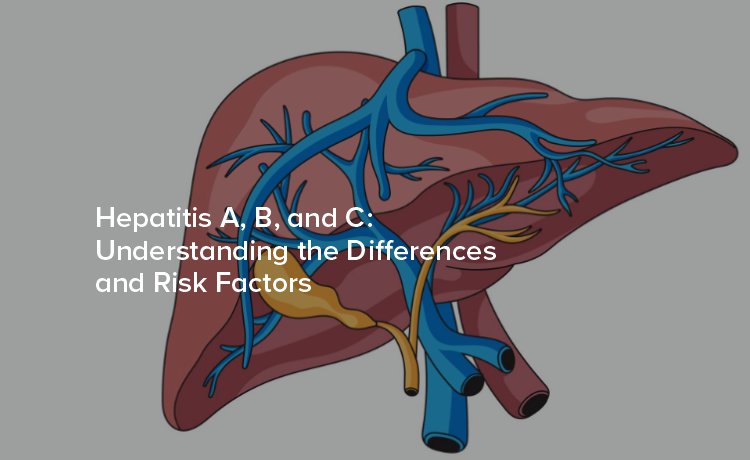
Hepatitis refers to inflammation of the liver, an organ essential for filtering toxins, processing nutrients, and aiding digestion. Hepatitis can occur for various reasons, including viral infections, alcohol misuse, autoimmune conditions, or certain medications.
Hepatitis caused by specific viruses is most common, and among these, Hepatitis A, B, and C are globally significant due to their prevalence and impact.
Hepatitis A is caused by the Hepatitis A virus, which primarily spreads through the ingestion of food or water contaminated with infected feces.
Transmission
Risk Factors
Symptoms
HAV often causes mild symptoms that resolve within weeks, but it can sometimes result in severe liver damage. Signs may include fatigue, nausea, vomiting, abdominal pain, and jaundice (yellowing of the skin and eyes).
Prevention
Hepatitis B results from the Hepatitis B virus and is particularly concerning due to its potential to cause chronic liver disease, including cirrhosis and liver cancer.
Transmission
Risk Factors
Symptoms
While an acute HBV infection may resolve independently, chronic Hepatitis B can silently damage the liver over years. Symptoms may include fever, fatigue, loss of appetite, joint pain, and dark urine.
Prevention
Hepatitis C (HCV)
Hepatitis C comes from the Hepatitis C virus and is often referred to as the “silent epidemic” due to its asymptomatic nature during the early stages. If untreated, it can lead to severe liver damage.
Transmission
Risk Factors
Symptoms
Many people with Hepatitis C have no symptoms for years. When symptoms do appear, they include fatigue, weight loss, itchy skin, and fluid retention in the abdomen.
Prevention

Risk Factors You Should Know
The risk factors for Hepatitis vary, but here are some key ones to keep in mind for each type of viral hepatitis.
High-Risk Groups
Environmental Risks
Protecting Yourself from Hepatitis
Medical advancements have improved the ability to treat and manage hepatitis. Vaccines for Hepatitis A and B have drastically reduced cases, and innovative treatments like Direct-Acting Antivirals (DAA) for Hepatitis C offer near-complete cure rates for most infections.
Ongoing awareness can bridge the gap between prevention and treatment for hepatitis worldwide. Being informed about transmission methods and risk factors empowers individuals to take proactive steps toward liver health.
Awareness, prevention, and early intervention are the keys to combating Hepatitis A, B, and C. By understanding each condition and taking advantage of existing protective measures, individuals, families, and communities can significantly mitigate the impact of these diseases.