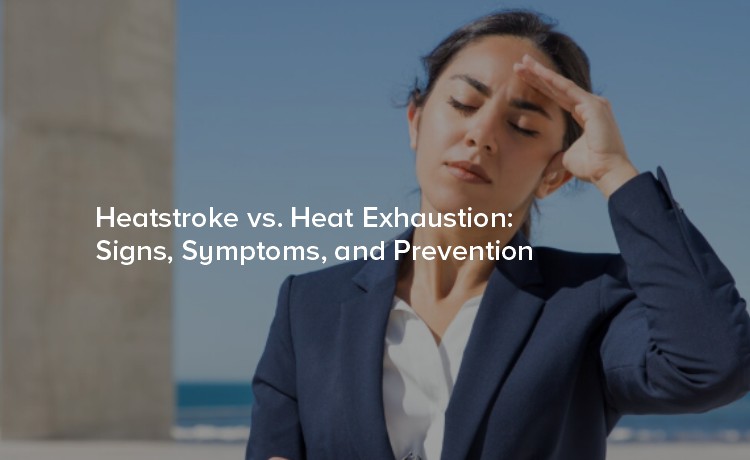
Summer is a time for outdoor adventures, beach days, and backyard barbecues. But with the rising temperatures comes an increased risk of heat-related illnesses like heatstroke and heat exhaustion. While they sound similar, these conditions are very different in terms of severity and the way they should be treated.
Heatstroke is the most severe heat-related illness, and it can be life-threatening if not treated promptly. It occurs when the body's temperature regulation system fails due to prolonged exposure to high heat and humidity.
Heatstroke often develops rapidly, and its symptoms should not be ignored. Watch for warning signs like:
If you or someone else shows these symptoms, seek immediate medical attention. Heatstroke is a medical emergency that requires urgent care.
When your body overheats, its natural cooling mechanisms like sweating and increased circulation become overwhelmed. This can lead to damage to vital organs, including the brain, heart, kidneys, and muscles. Left untreated, the strain on your body can result in long-term complications or even death.
Heat exhaustion is a less severe heat-related illness but is still serious if left untreated. It typically occurs after intense physical activity in hot and humid conditions or prolonged exposure to high temperatures without staying hydrated.
Unlike heatstroke, heat exhaustion does not typically result in a dangerously high body temperature, but it can escalate quickly. Symptoms include:
If you notice these symptoms, take immediate action to cool down and rehydrate. Failing to address heat exhaustion can lead to heatstroke.
Heat exhaustion occurs when the body loses an excessive amount of water and salt through sweat. Dehydration prevents your body from effectively cooling itself, and the reduced blood flow can result in less oxygen reaching your brain and other organs.
It’s easy to confuse heatstroke and heat exhaustion because they can share some overlapping symptoms. However, their severity sets them apart.

Recognizing the distinctions between the two is crucial, as your response will depend on the severity of the condition.
The good news is that both heatstroke and heat exhaustion are preventable with some basic precautions. Here’s how you can stay safe under the sun:
1. Stay Hydrated
Drink plenty of water throughout the day, especially during outdoor activities. Aim for at least 8-10 glasses daily, but increase your intake if you're sweating more than usual. Avoid sugary or caffeinated drinks, as they can dehydrate you.
2. Dress for the Heat
Lightweight, loose-fitting, and light-colored clothing can help your body stay cool. Don't forget a wide-brimmed hat and sunglasses to shield yourself from direct sunlight.
3. Time Your Outdoor Activities
Plan strenuous outdoor activities for early morning or evening when temperatures are cooler. Avoid exercise during peak heat hours between 10 AM and 4 PM.
4. Take Frequent Breaks
If you're spending time outside, pause often to rest in the shade or an air-conditioned environment. Cooling down periodically helps prevent your body from overheating.
5. Use Sunscreen
Sunburn reduces your body's ability to regulate its temperature, making you more susceptible to heat-related illnesses. Apply a broad-spectrum sunscreen with SPF 30 or higher to protect your skin.
6. Pay Attention to Warning Signs
If you notice yourself or others feeling unusually fatigued, lightheaded, or nauseous, stop all activity and cool down immediately. Addressing early symptoms can prevent escalation.
Heatstroke and heat exhaustion are serious concerns during the warmer months, but knowing how to spot the symptoms and take preventive measures can keep you, your family, and your friends safe and healthy.