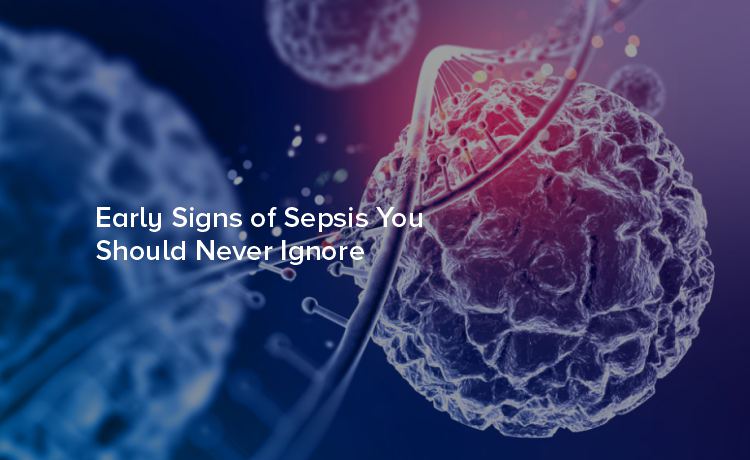
Sepsis strikes quickly and without warning, transforming a minor infection into a life-threatening emergency within hours. This medical condition affects more than 1.7 million adults in the United States each year, yet many people remain unaware of its early warning signs until it's too late.
Understanding sepsis symptoms can mean the difference between a full recovery and severe complications. When your body's immune system overreacts to an infection, it can damage your own tissues and organs. The key to survival lies in recognizing the subtle early signs that often masquerade as common illnesses.
Sepsis occurs when your immune system releases chemicals into your bloodstream to fight an infection, but these chemicals cause widespread inflammation throughout your body. This inflammatory response can trigger a cascade of changes that damage multiple organ systems.
The condition can develop from any type of infection—bacterial, viral, or fungal. Common sources include pneumonia, urinary tract infections, abdominal infections, and skin wounds. However, even minor cuts or routine medical procedures can sometimes lead to sepsis in vulnerable individuals.
Three stages define sepsis progression: sepsis, severe sepsis, and septic shock. Early recognition during the first stage offers the best chance for successful treatment and recovery. Once the condition advances to severe sepsis or septic shock, mortality rates increase dramatically.
One of the most common early indicators is an abnormal body temperature. While fever above 101°F (38.3°C) frequently signals sepsis, hypothermia below 96°F (35.5°C) can be equally concerning. Your body may struggle to regulate temperature as the infection overwhelms your system.
Shivering and chills often accompany these temperature fluctuations, even when you feel hot. Some patients experience alternating episodes of feeling extremely hot and cold, which can be particularly alarming during the night.
Your heart rate may increase above 90 beats per minute as your cardiovascular system works harder to fight the infection. This rapid pulse, called tachycardia, often occurs alongside faster breathing patterns.
Shortness of breath or difficulty breathing can develop as your body demands more oxygen. You might notice yourself breathing more than 20 times per minute or feeling winded during normal activities that usually don't cause fatigue.
Sepsis frequently affects brain function, leading to confusion, disorientation, or difficulty concentrating. Family members often notice personality changes or unusual behavior before patients recognize these symptoms themselves.
Some people experience extreme drowsiness, while others become unusually agitated or restless. Memory problems, difficulty following conversations, or trouble completing familiar tasks can all signal that sepsis is affecting cognitive function.
Severe pain that seems disproportionate to any visible injury warrants immediate attention. Sepsis can cause intense discomfort throughout the body, particularly in the area where the original infection began.
Patients often describe feeling "like they've been hit by a truck" or experiencing the worst illness of their lives. This overwhelming sense of being unwell, combined with other symptoms, should never be dismissed.
Your skin provides important visual clues about sepsis progression. Pale, grayish, or mottled skin can indicate poor circulation as your body redirects blood flow to vital organs. Some patients develop a bluish tint around their lips, fingernails, or extremities.
Flushed or reddened skin may appear in the early stages, particularly if fever is present. The skin might feel unusually warm or cool to the touch, depending on your body's current temperature regulation.
Clammy, sweaty skin often develops as your body attempts to regulate temperature during infection. You might notice excessive sweating even when you feel cold, or skin that feels simultaneously hot and moist.
Dry skin or decreased skin elasticity can signal dehydration, a common complication of sepsis. When you pinch the skin on the back of your hand, it should return to normal immediately—delayed return may indicate fluid loss.
Your face may appear flushed or unusually pale, with dark circles under your eyes becoming more pronounced. Some patients develop a glazed or unfocused look in their eyes, reflecting the cognitive changes that accompany sepsis.
Swelling around the eyes or face can occur as your body retains fluid in response to the inflammatory process. These changes might be subtle initially but often become more noticeable as the condition progresses.
Don't wait to see if symptoms improve on their own. Sepsis can progress from mild symptoms to life-threatening complications within hours. Healthcare providers would rather evaluate suspected sepsis that turns out to be something less serious than miss the narrow window for effective treatment.
If you're caring for someone else, trust your instincts. Family members often notice subtle changes in behavior or appearance before patients recognize them. Advocate for immediate medical evaluation when something doesn't feel right.
Certain groups face higher sepsis risk, including adults over 65, infants under one year, people with compromised immune systems, and those with chronic conditions like diabetes or kidney disease. Recent hospitalization, surgery, or invasive medical devices also increase vulnerability.
However, sepsis can affect anyone at any age. Healthy individuals can develop sepsis from common infections, making awareness important for everyone, not just high-risk populations.
Learn these warning signs and share them with your family members. Consider keeping a written list of symptoms in your emergency contact information, as sepsis can impair thinking and memory when you need to communicate with medical professionals.
If you have risk factors for sepsis, discuss prevention strategies with your healthcare provider. Proper wound care, timely treatment of infections, and staying current with vaccinations can reduce your risk.