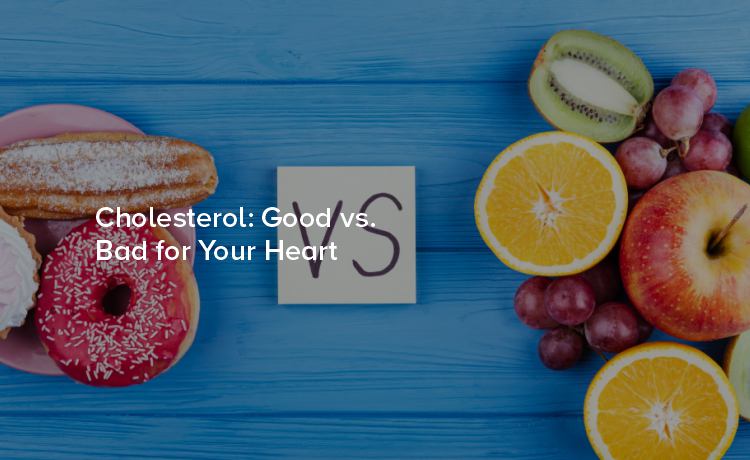
Cholesterol often gets a bad reputation, but the reality is more nuanced than many people realize. Your body actually needs cholesterol to function properly—it's essential for building cell membranes, producing hormones, and supporting brain function. The key lies in understanding the difference between "good" and "bad" cholesterol, and how each type affects your cardiovascular health.
Cholesterol is a waxy, fat-like substance that travels through your bloodstream in packages called lipoproteins. These packages consist of fat on the inside and proteins on the outside, allowing them to move through your water-based blood system effectively.
Your liver produces about 75% of the cholesterol your body needs naturally. The remaining 25% comes from dietary sources, particularly animal products like meat, dairy, and eggs. This internal production system explains why some people maintain healthy cholesterol levels despite dietary indiscretions, while others struggle with elevated levels even when following strict diets.
Low-density lipoprotein (LDL) cholesterol earns its "bad" reputation through its behavior in your cardiovascular system. LDL particles carry cholesterol from your liver to cells throughout your body. When you have too much LDL cholesterol circulating, it can accumulate in your artery walls, forming plaques that narrow and harden your blood vessels.
The process begins when LDL particles become oxidized, triggering an inflammatory response in your artery walls. Your immune system sends white blood cells to address this inflammation, but these cells can become trapped in the artery wall along with the cholesterol. Over time, this accumulation forms plaques that restrict blood flow and increase your risk of heart attack and stroke.
Current medical guidelines recommend keeping LDL cholesterol below specific thresholds based on your individual risk factors:
Your healthcare provider will assess your personal risk factors, including family history, age, blood pressure, and smoking status, to determine your target LDL level.
High-density lipoprotein (HDL) cholesterol functions as your cardiovascular system's cleanup crew. HDL particles transport cholesterol away from your arteries and back to your liver, where it can be processed and eliminated from your body. This reverse cholesterol transport system helps prevent the buildup of dangerous plaques in your blood vessels.
HDL cholesterol provides cardiovascular protection through several mechanisms beyond simple cholesterol removal. These particles have anti-inflammatory properties that help reduce arterial inflammation. They also possess antioxidant capabilities that prevent LDL cholesterol from becoming oxidized and more likely to form plaques.
Additionally, HDL helps maintain healthy blood vessel function by promoting the production of nitric oxide, a compound that keeps arteries flexible and supports proper blood flow.
Healthcare professionals generally recommend maintaining HDL cholesterol levels above certain minimums:
Higher HDL levels provide greater cardiovascular protection, with each 1 mg/dL increase in HDL associated with a 2-3% reduction in heart disease risk.
While individual cholesterol numbers matter, healthcare providers also examine the relationship between different types. The total cholesterol to HDL ratio provides valuable insight into your cardiovascular risk. A ratio below 3.5:1 is considered optimal, while ratios above 5:1 indicate elevated risk.
However, focusing solely on ratios can be misleading. A person with very high HDL might have an acceptable ratio despite elevated LDL levels, but the high LDL still poses cardiovascular risks. This is why comprehensive lipid panels examine multiple markers rather than relying on single measurements.
Saturated fats and trans fats have the most significant dietary impact on LDL cholesterol levels. Foods high in saturated fats include red meat, full-fat dairy products, and tropical oils like coconut and palm oil. Trans fats, found in some processed foods and margarine, are particularly harmful and should be avoided entirely.
Dietary cholesterol itself has less impact on blood cholesterol levels than previously believed, though individual responses vary considerably.
Regular physical activity naturally raises HDL cholesterol while helping lower LDL levels. Even moderate exercise, such as brisk walking for 30 minutes daily, can produce measurable improvements in your cholesterol profile within weeks.
Weight management plays a crucial role as well. Excess body weight, particularly around the midsection, tends to lower HDL cholesterol while raising LDL and triglyceride levels.
Some individuals have genetic variations that significantly impact cholesterol metabolism. Familial hypercholesterolemia, affecting roughly 1 in 250 people, causes extremely high LDL levels from birth. These individuals require specialized medical management to prevent early cardiovascular disease.
Focus on incorporating heart-healthy foods that naturally support optimal cholesterol levels. Soluble fiber, found in oats, beans, and apples, helps reduce LDL absorption in your digestive system. Omega-3 fatty acids from fish, walnuts, and flaxseeds provide anti-inflammatory benefits that support overall cardiovascular health.
Plant sterols and stanols, naturally occurring compounds found in small amounts in many foods, can block cholesterol absorption when consumed in sufficient quantities. Many foods are now fortified with these compounds to help people achieve therapeutic doses.
Aerobic exercise provides the most significant benefits for cholesterol management. Activities like swimming, cycling, and jogging help raise HDL levels while improving your body's ability to process cholesterol effectively. Resistance training offers additional benefits by improving overall cardiovascular fitness and supporting healthy weight management.
Despite lifestyle modifications, some individuals require medication to achieve optimal cholesterol levels. Statins remain the most prescribed and well-researched cholesterol-lowering medications. These drugs work by inhibiting cholesterol production in the liver, leading to significant LDL reductions.
Your healthcare provider will consider multiple factors when deciding whether medication is appropriate, including your overall cardiovascular risk, response to lifestyle changes, and personal medical history.
Understanding the difference between good and bad cholesterol empowers you to make informed decisions about your cardiovascular health. Regular monitoring through lipid panels helps track your progress and identify any concerning trends before they become serious problems.
Remember that cholesterol management is a long-term commitment rather than a quick fix. Small, consistent changes in diet and lifestyle often produce more sustainable results than dramatic short-term interventions. Work closely with your healthcare provider to develop a personalized approach that fits your individual needs and circumstances.