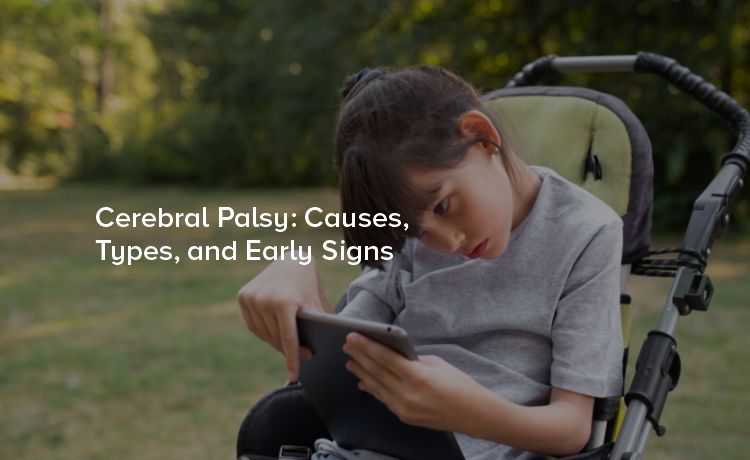
Cerebral Palsy: Causes, Types, and Early Signs

Every parent dreams of watching their child reach developmental milestones with ease. When those milestones seem delayed or different, concerns naturally arise. Cerebral palsy affects approximately 1 in 345 children, making it one of the most common motor disabilities in childhood.
If you're concerned about your child's development, consulting with specialists at a trusted pediatric hospital in Hyderabad can provide the expert guidance and comprehensive care your family needs. Early recognition and intervention make a significant difference in a child's long-term outcomes and quality of life.

What Is Cerebral Palsy?

Cerebral palsy is a group of permanent disorders affecting movement, posture, and muscle coordination. The condition results from damage to the developing brain, typically occurring before, during, or shortly after birth. Despite being a lifelong condition, cerebral palsy is non-progressive, meaning the brain damage doesn't worsen over time.
The condition affects each individual differently. Some children may experience mild coordination challenges, while others require comprehensive support for daily activities. Understanding these variations helps families and healthcare providers develop appropriate treatment plans tailored to each child's unique needs.

Causes of Cerebral Palsy

Prenatal Factors

Most cerebral palsy cases originate during pregnancy. Several factors can increase the risk:

  • Infections during pregnancy: Maternal infections like rubella, cytomegalovirus, or toxoplasmosis can damage the developing fetal brain
  • Genetic mutations: Rare genetic disorders can affect brain development
  • Multiple pregnancies: Twins, triplets, or higher-order multiples face increased risk
  • Maternal health conditions: Thyroid problems, intellectual disabilities, or seizure disorders in the mother
  • Placental complications: Issues with blood flow or oxygen delivery to the fetus

Birth-Related Causes

Complications during labor and delivery account for approximately 10-15% of cerebral palsy cases:

  • Oxygen deprivation: Prolonged lack of oxygen during delivery
  • Premature birth: Babies born before 37 weeks face higher risk
  • Low birth weight: Infants weighing less than 2.5 pounds are particularly vulnerable
  • Complicated deliveries:
  • Breech presentations or prolonged labor

Postnatal Factors

Brain injuries occurring within the first few years of life can also lead to cerebral palsy:

  • Head trauma: Accidents, falls, or abuse causing brain injury
  • Infections: Meningitis or encephalitis affecting the brain
  • Stroke: Blood clots or bleeding in the brain
  • Severe dehydration or poisoning

Types of Cerebral Palsy

Medical professionals classify cerebral palsy based on the type of movement disorder and the body parts affected.

Spastic Cerebral Palsy

This most common type affects approximately 70-80% of individuals with cerebral palsy. Spastic cerebral palsy is characterized by:

  • Increased muscle tone: Muscles remain tight and contracted
  • Stiff movements: Jerky or awkward motion patterns
  • Limited range of motion: Difficulty moving joints through full motion
  • Spastic cerebral palsy is further categorized by location:

    • Diplegia: Primarily affects the legs
    • Hemiplegia: Affects one side of the body
    • Quadriplegia: Involves all four limbs and typically the trunk

    Dyskinetic Cerebral Palsy

    Affecting about 10-15% of cases, dyskinetic cerebral palsy includes:

    • Involuntary movements: Uncontrolled motions that may be slow and writhing or rapid and jerky
    • Variable muscle tone: Alternating between too tight and too loose
    • Difficulty maintaining posture: Challenges with sitting or standing positions

    Ataxic Cerebral Palsy

    The least common type, affecting roughly 5-10% of individuals, features:

    • Balance problems: Difficulty maintaining equilibrium
    • Coordination challenges: Trouble with precise movements
    • Unsteady gait: Walking appears unsteady or wide-based

    Early Signs and Symptoms

    Recognizing early signs of cerebral palsy enables prompt intervention, which can significantly improve outcomes. Parents and caregivers should be aware of these potential indicators:

    Motor Development Delays

    • Rolling over: Not rolling by 6 months
    • Sitting: Unable to sit without support by 8 months
    • Crawling: Not crawling by 12 months
    • Walking: Not walking independently by 18 months

    Muscle Tone Abnormalities

    • Floppy appearance: Baby seems unusually relaxed or "floppy"
    • Stiffness: Rigid posture or resistance to movement
    • Asymmetry: One side of the body appears weaker or different

    Feeding and Swallowing Difficulties

    • Poor sucking: Difficulty breastfeeding or bottle feeding
    • Excessive drooling: Beyond typical developmental stages
    • Choking or gagging: Frequent issues during feeding

    Other Concerning Signs

    • Persistent primitive reflexes: Reflexes that should disappear remain active
    • Unusual postures: Consistent asymmetrical positioning
    • Speech delays: Limited babbling or vocalization
    • Vision or hearing problems: Difficulty tracking objects or responding to sounds

    Importance of Early Intervention

    Early diagnosis and intervention play crucial roles in maximizing a child's potential. Research consistently demonstrates that the brain's plasticity during early years allows for significant improvements with appropriate therapies.
    When parents notice concerning signs, seeking evaluation at a specialized pediatric hospital in Hyderabad ensures access to comprehensive diagnostic services and expert care. These facilities offer multidisciplinary teams including pediatric neurologists, developmental specialists, and rehabilitation therapists who work together to create individualized treatment plans.
    Benefits of early intervention include:

    • Improved motor function: Physical and occupational therapy can enhance movement and coordination
    • Better communication skills: Speech therapy addresses language development
    • Enhanced quality of life: Comprehensive care improves overall well-being
    • Family support: Education and resources help families navigate challenges

    Diagnostic Process

    Healthcare providers use various methods to diagnose cerebral palsy:

    • Medical history: Detailed pregnancy, birth, and developmental history
    • Physical examination: Assessment of muscle tone, reflexes, and movement
    • Developmental screening: Evaluation of milestone achievement
    • Imaging studies: MRI or CT scans to examine brain structure
    • Additional tests: Blood work or genetic testing when indicated

    Living with Cerebral Palsy

    While cerebral palsy presents challenges, many individuals lead fulfilling, productive lives. Treatment focuses on maximizing independence and quality of life through:

    • Physical therapy: Improving strength, flexibility, and mobility
    • Occupational therapy: Developing daily living skills
    • Speech therapy: Enhancing communication abilities
    • Assistive technology: Tools to support independence
    • Medical management: Addressing associated conditions

    Conclusion

    Understanding cerebral palsy—its causes, types, and early signs—empowers families to advocate effectively for their children. If you notice developmental concerns, trust your instincts and seek professional evaluation. Early intervention can make a profound difference in your child's development and future independence.
    The journey with cerebral palsy may seem overwhelming initially, but with proper support, expert care, and comprehensive intervention, children can achieve their fullest potential. Connecting with specialists at a reputable pediatric hospital in Hyderabad provides access to the multidisciplinary expertise necessary for optimal outcomes and family support throughout this journey.

    Frequently Asked Questions

    Can cerebral palsy be prevented?

    While not all cases are preventable, certain measures can reduce risk:

    • Proper prenatal care and vaccination
    • Managing maternal health conditions
    • Preventing injuries during infancy and early childhood
    • Seeking prompt treatment for infections

    Does cerebral palsy affect intelligence?

    Cerebral palsy primarily affects movement and posture. While some individuals may have intellectual disabilities, many have typical or above-average intelligence. Each person's cognitive abilities should be assessed individually.

    Is cerebral palsy hereditary?

    Most cases of cerebral palsy are not inherited. However, rare genetic forms do exist. Families with concerns about genetic risk should consult with genetic counselors for personalized assessment.

    What therapies are most effective?

    The most effective approach typically involves a combination of therapies tailored to individual needs. Physical therapy, occupational therapy, and speech therapy form the foundation of treatment, often supplemented by medical interventions when appropriate.