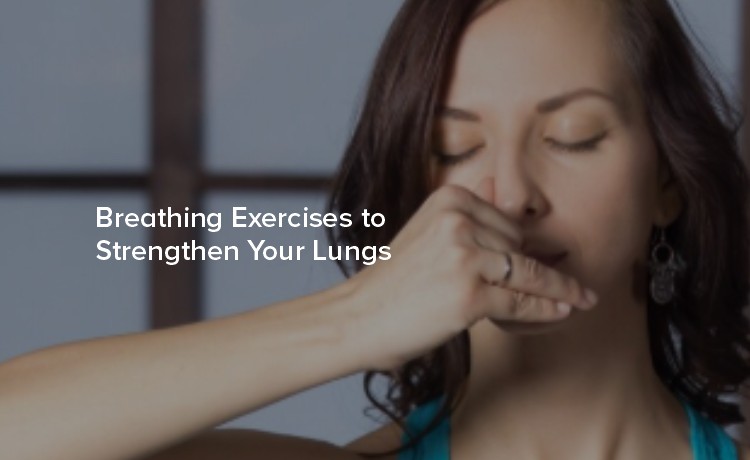
Breathing is the most fundamental process of life, yet we often do it without a second thought. For those managing lung conditions like asthma or recovering from respiratory illnesses, however, each breath can be a conscious effort. Strengthening your lungs through targeted exercises can significantly improve your respiratory health, increase your lung capacity, and enhance your overall quality of life.
Your lungs are remarkable organs, working tirelessly to supply your body with oxygen and remove carbon dioxide. Just like any other muscle in your body, the muscles involved in breathing—primarily the diaphragm—can be trained and strengthened. Stronger respiratory muscles allow your lungs to take in more air with less effort, improving your stamina and helping you feel more energetic throughout the day.
For individuals with chronic lung diseases, such as chronic obstructive pulmonary disease (COPD) or asthma, these exercises can be particularly transformative. By improving the efficiency of your breathing, you can help manage symptoms like shortness of breath, reduce the work of breathing, and improve your ability to engage in daily activities.
Before beginning any new exercise regimen, especially if you have an existing health condition, it is essential to consult with your healthcare provider. Once you have their approval, you can start incorporating these simple yet powerful exercises into your daily routine. Find a quiet, comfortable place where you can sit or lie down without distractions.
This foundational technique is one of the most effective for slowing your breathing rate, making each breath more effective. It helps keep your airways open longer, allowing more air to flow in and out of your lungs and relieving shortness of breath.
This exercise is particularly useful during strenuous activities, like climbing stairs, that might leave you feeling winded.
Many people tend to be "chest breathers," using only the smaller muscles in their chest and neck. Diaphragmatic breathing, or belly breathing, engages the diaphragm, the large dome-shaped muscle at the base of the lungs. This is a more efficient way to breathe, allowing your lungs to expand fully.
As you become more comfortable with this technique, you can practice it while sitting or even standing.
This exercise focuses on expanding your rib cage, allowing your lungs to take in as much air as possible. It helps maximize your lung capacity over time.
Humming while you exhale can help open up your airways and move stale air out of your lungs, making room for fresh, oxygen-rich air to enter. This is because humming increases the production of nitric oxide, a molecule that helps open the airways and improve blood flow.
Integrating these breathing exercises into your daily routine is a proactive step toward strengthening your lungs and improving your respiratory health. Consistency is the key to seeing tangible benefits. Start slowly, perhaps with just five minutes a day, and gradually increase the duration as you feel more comfortable.
Remember, these exercises are a component of a healthy lifestyle that includes regular physical activity, a balanced diet, and avoiding smoking. If you have any concerns about your lung health or experience persistent symptoms, it is crucial to seek professional medical advice. Our team is dedicated to providing personalized care and expert guidance to help you breathe easier and live a fuller, healthier life.