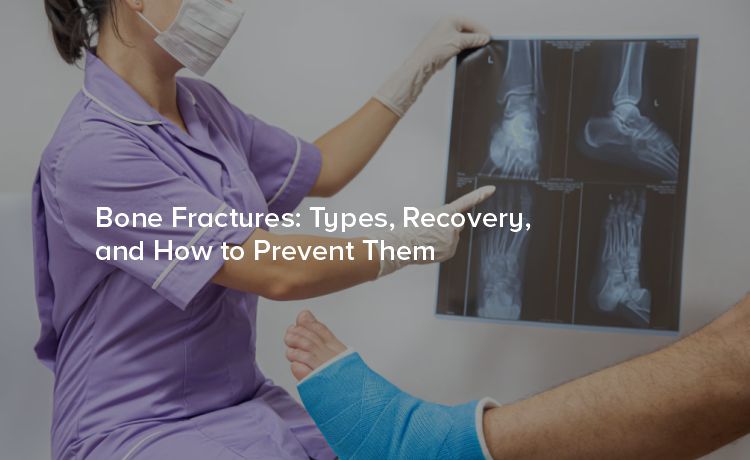
Bone fractures affect millions of people each year, ranging from minor cracks that heal within weeks to complex breaks requiring surgical intervention. Whether caused by sports injuries, accidents, or underlying medical conditions, understanding fractures can help you make informed decisions about treatment and recovery.
Bone fractures vary significantly in their severity, location, and treatment requirements. Medical professionals classify fractures based on several factors, including the pattern of the break and whether the bone pierces the skin.
Complete fractures occur when the bone breaks entirely through its width, separating into two or more pieces. These injuries typically require immediate medical attention and may need surgical repair depending on the location and displacement of bone fragments.
Incomplete fractures involve partial breaks where the bone cracks but remains connected. Common in children, these fractures often heal more quickly due to younger bones' greater flexibility and blood supply.
Closed fractures remain beneath the skin, with no external wound visible. While still serious, these fractures carry lower infection risks and often have more straightforward treatment protocols.
Open fractures involve bone fragments piercing through the skin, creating an external wound. These injuries require emergency medical care due to increased infection risks and potential damage to surrounding tissues, muscles, and blood vessels.
Transverse fractures create clean, horizontal breaks across the bone shaft. These typically result from direct impact or bending forces and often heal well with proper immobilization.
Oblique fractures occur at an angle across the bone, usually caused by twisting forces combined with impact. The angled break pattern can make these fractures more challenging to align during healing.
Spiral fractures wrap around the bone like a corkscrew, commonly resulting from twisting injuries while the foot remains planted. These fractures are frequently seen in sports-related injuries.
Comminuted fractures involve the bone breaking into multiple fragments. More common in elderly patients with weaker bones, these complex fractures often require surgical intervention to properly realign bone pieces.
Identifying fracture symptoms early ensures prompt treatment and better outcomes. While some signs are obvious, others can be subtle and easily dismissed as minor injuries.
Severe pain that worsens with movement or pressure typically indicates a fracture. This pain often differs from muscle soreness or minor injuries, presenting as sharp, intense discomfort localized to the injury site.
Visible deformity or abnormal bone positioning suggests a significant fracture requiring immediate medical attention. Any obvious displacement, unusual angles, or bone protruding through skin demands emergency care.
Swelling and bruising around the injury site develop quickly after fractures. While these symptoms can occur with other injuries, their severity and rapid onset often indicate bone damage.
Loss of function or inability to bear weight on the affected limb strongly suggests fracture. If you cannot use the injured area normally or experience significant weakness, seek medical evaluation.
Numbness or tingling may indicate nerve damage associated with the fracture. These sensations, particularly when persistent, warrant immediate medical assessment to prevent permanent complications.
Grinding sensations or audible sounds during movement can signal bone fragments rubbing together. This symptom, known as crepitus, typically confirms fracture diagnosis.
Bone healing follows predictable stages, though individual recovery times vary based on factors including age, overall health, fracture severity, and treatment compliance.
The first few days after injury involve inflammation and blood clot formation around the fracture site. Your body begins creating a framework for new bone growth while managing pain and swelling.
Medical professionals typically immobilize the fracture during this phase using casts, splints, or surgical hardware. Proper immobilization prevents further damage and creates optimal conditions for healing.
Over the following weeks and months, your body deposits new bone material to bridge the fracture gap. Specialized cells called osteoblasts create new bone tissue, while osteoclasts remove damaged bone fragments.
Physical therapy often begins once initial healing progresses. Controlled movement and strengthening exercises help restore function while promoting healthy bone formation.
Age significantly impacts healing speed, with younger patients typically recovering faster due to increased bone turnover and better blood supply. Children's fractures may heal in 4-6 weeks, while similar injuries in elderly patients can require months.
Nutrition plays a crucial role in bone healing. Adequate protein, calcium, vitamin D, and other nutrients support the complex biological processes involved in fracture repair.
Smoking dramatically slows bone healing by reducing blood flow to the fracture site. Patients who smoke experience significantly longer recovery times and higher complication rates.
Preventing fractures requires a comprehensive approach addressing bone strength, fall prevention, and lifestyle factors that support skeletal health.
Weight-bearing exercises stimulate bone formation and help maintain density throughout life. Activities like walking, jogging, dancing, and resistance training provide the mechanical stress bones need to stay strong.
Regular strength training specifically targets bone health by creating controlled stress that promotes bone remodelling. Focus on exercises that work major muscle groups and joints most susceptible to fracture.
Calcium intake remains fundamental for bone strength, with adults requiring 1,000-1,200 mg daily depending on age and gender. Dairy products, leafy greens, and fortified foods provide excellent calcium sources.
Vitamin D enables calcium absorption and supports bone mineralization. Most adults need 800-1,000 IU daily, obtainable through sunlight exposure, supplements, or fortified foods.
Protein provides the structural matrix for bone formation. Ensure adequate protein intake through lean meats, fish, beans, nuts, and dairy products to support ongoing bone maintenance.
Home safety modifications significantly reduce fall risks, especially for older adults. Remove tripping hazards, improve lighting, install grab bars in bathrooms, and secure loose rugs or carpets.
Proper footwear with good traction and support helps prevent falls and provides stability during daily activities. Avoid high heels or shoes with worn soles that compromise balance.
Regular vision and hearing checks ensure you can navigate safely and respond appropriately to environmental hazards. Address any sensory deficits that might increase injury risks.
Understanding bone fractures empowers you to recognize warning signs, make informed treatment decisions, and take proactive steps to protect your skeletal health. While fractures can be serious injuries, modern medical care offers excellent outcomes for most patients who receive timely, appropriate treatment.
Focus on building strong bones through regular exercise, proper nutrition, and lifestyle choices that support bone health. Create a safe living environment that minimizes fall risks, and don't hesitate to seek medical attention if you suspect a fracture.