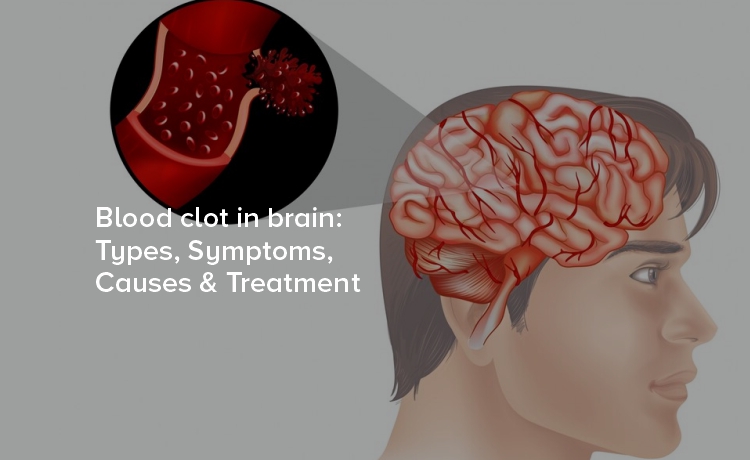
A blood clot in the brain is a serious medical emergency that requires immediate attention. When blood flow to the brain becomes blocked or restricted, brain cells can quickly become damaged or die, leading to potentially life-threatening complications. Understanding the types, symptoms, and causes of brain blood clots can help you recognize warning signs early and seek prompt medical care.
A blood clot in the brain occurs when blood thickens and forms a solid mass within the blood vessels of the brain or travels from another part of the body to the brain. These clots can interrupt normal blood flow, depriving brain tissue of oxygen and nutrients.
There are two main types of blood clots that affect the brain:
Thrombotic clots form directly within the blood vessels of the brain, typically developing in arteries that have been narrowed by plaque buildup (atherosclerosis).
Embolic clots originate elsewhere in the body—often in the heart or neck—and travel through the bloodstream until they lodge in a brain artery.
Both types can lead to an ischemic stroke, which accounts for approximately 87% of all strokes.
Cerebral thrombosis happens when a clot forms in an artery that supplies blood to the brain. This type typically develops gradually as fatty deposits accumulate on artery walls, narrowing the passage until a clot forms and blocks blood flow completely.
A cerebral embolism occurs when a blood clot or other debris travels from another location—most commonly the heart—and becomes lodged in a brain artery. Atrial fibrillation, an irregular heartbeat, is a leading cause of embolic strokes.
While less common, CVST involves a blood clot forming in the venous sinuses of the brain, preventing blood from draining properly. This can increase pressure inside the skull and lead to hemorrhaging. CVST affects about five people per million annually and is more common in women.
The symptoms of a blood clot in the brain can appear suddenly and require immediate medical attention. Common warning signs include:
Remember the acronym FAST to identify stroke symptoms:
Understanding what causes blood clots in the brain can help you identify risk factors and take preventive measures.
The buildup of fatty deposits (plaques) on artery walls narrows blood vessels and creates rough surfaces where clots can form. Over time, these plaques can rupture, triggering clot formation.
Several heart problems increase the risk of embolic clots:
Chronic hypertension damages blood vessel walls, making them more susceptible to clot formation and rupture.
Elevated blood sugar levels contribute to arterial damage and accelerated plaque formation, increasing stroke risk.
Certain genetic conditions cause blood to clot more easily than normal, including:
Several modifiable risk factors contribute to blood clot formation:
Birth control pills and hormone replacement therapy can increase clotting risk, particularly in women who smoke or have other risk factors.
Women face higher risk during pregnancy and the six weeks following delivery due to hormonal changes and increased clotting factors.
When you arrive at the hospital with suspected stroke symptoms, doctors will act quickly to determine whether a blood clot is present and what type of stroke has occurred.
CT scan: This is typically the first test performed, providing rapid images that can reveal bleeding or blockages.
MRI: Offers more detailed images of brain tissue and can detect smaller areas of damage.
CT or MR angiography: These specialized scans visualize blood vessels to locate clots or narrowing.
Carotid ultrasound: Uses sound waves to check for blockages in the carotid arteries in the neck.
Echocardiogram: Creates images of the heart to identify potential sources of embolic clots.
Blood tests: Check for clotting disorders, cholesterol levels, and other risk factors.
Treatment for a blood clot in the brain depends on the type, location, and severity of the clot, as well as how quickly you receive care.
Clot-busting medications: Tissue plasminogen activator (tPA) can dissolve clots if administered within 4.5 hours of symptom onset. This medication significantly improves outcomes when given promptly.
Mechanical thrombectomy: Surgeons thread a catheter through blood vessels to physically remove the clot. This procedure can be performed up to 24 hours after symptoms begin in select patients.
Antiplatelet drugs: Medications like aspirin prevent new clots from forming.
Anticoagulants: Blood thinners such as warfarin or newer direct oral anticoagulants reduce clotting risk.
Blood pressure management: Controlling hypertension protects against future strokes.
Cholesterol-lowering medications: Statins reduce plaque buildup in arteries.
In some cases, surgery may be necessary to:
Recovery from a stroke caused by a blood clot often requires rehabilitation services:
While not all blood clots can be prevented, you can take steps to reduce your risk:
Manage chronic conditions: Keep blood pressure, cholesterol, and blood sugar within healthy ranges.
Maintain a healthy weight: Even modest weight loss can significantly reduce stroke risk.
Exercise regularly: Aim for at least 150 minutes of moderate activity weekly.
Eat a balanced diet: Focus on fruits, vegetables, whole grains, and lean proteins while limiting saturated fats and sodium.
Quit smoking: Smoking cessation is one of the most impactful changes you can make.
Limit alcohol: Stick to no more than one drink per day for women and two for men.
Take medications as prescribed: If you've been prescribed blood thinners or other medications, take them exactly as directed.
A blood clot in the brain is always a medical emergency. If you or someone near you experiences sudden stroke symptoms, call 911 immediately. Don't wait to see if symptoms improve—every second counts.
Even if symptoms resolve quickly (known as a transient ischemic attack or "mini-stroke"), you should still seek immediate medical evaluation. TIAs often serve as warning signs of an impending major stroke.
A
If you suspect symptoms of a brain clot, don’t wait — seek emergency care right away. Quick medical action can save your life or that of a loved one.