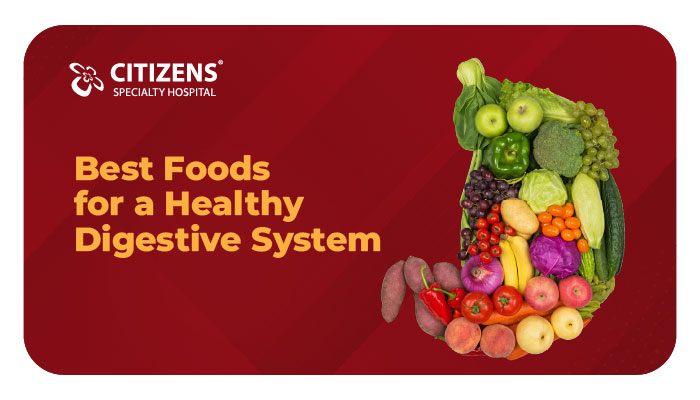
A healthy digestive system is the foundation of overall well-being. From breaking down food and absorbing nutrients to supporting immunity and mental health, your gut plays a vital role in keeping your body functioning optimally. Poor digestion can lead to problems such as bloating, constipation, acidity, fatigue, nutrient deficiencies, and even chronic illnesses.
The good news? Your daily food choices have a powerful impact on digestive health. By including the right foods in your diet, you can support gut bacteria, improve bowel movements, reduce inflammation, and enhance nutrient absorption.
Why Digestive Health Matters
The digestive system is responsible for:
An unhealthy gut can contribute to issues like irritable bowel syndrome (IBS), acid reflux, constipation, diarrhea, food intolerances, and weakened immunity. Maintaining digestive health is not just about avoiding discomfort it’s about long-term wellness.
Key Nutrients That Support Digestive Health
Before diving into specific foods, it’s important to understand the nutrients that play a major role in digestion:
Foods rich in these nutrients form the backbone of a gut-friendly diet.
1. Fiber-Rich Fruits for Better Digestion
Fruits are rich in fiber, water, and natural enzymes that support digestion.
Best Digestive-Friendly Fruits:
How they help:
Fruits help regulate bowel movements, reduce constipation, and promote healthy gut bacteria.
2. Vegetables That Improve Gut Health
Vegetables provide both soluble and insoluble fiber, essential for smooth digestion.
Best Vegetables for Digestion:
Why they’re important:
Vegetables increase stool bulk, support gut motility, and provide vitamins that strengthen the digestive lining.
3. Whole Grains for a Healthy Gut
Whole grains retain their fiber-rich outer layers, making them excellent for digestion.
Top Whole Grains:
Digestive benefits:
Whole grains help prevent constipation, regulate blood sugar, and feed beneficial gut bacteria.
4. Probiotic Foods for Gut Balance
Probiotics are live microorganisms that maintain a healthy balance of gut bacteria.
Best Probiotic Foods:
How they work:
Probiotics improve digestion, reduce bloating, strengthen immunity, and help prevent diarrhea and IBS symptoms.
5. Prebiotic Foods That Feed Good Bacteria
Prebiotics are fibers that nourish probiotics and enhance gut health.
Prebiotic-Rich Foods:
Benefits:
They help probiotics thrive, improving digestion and reducing gut inflammation.
6. Legumes and Pulses for Digestive Strength
Legumes are rich in fiber, protein, and resistant starch.
Examples:
Tip:
Soak legumes well and cook thoroughly to reduce gas and improve digestibility.
7. Nuts and Seeds for Gut Support
Nuts and seeds provide healthy fats, fiber, and minerals that support digestion.
Best Choices:
8. Healthy Fats That Aid Digestion
Not all fats are bad for digestion. Healthy fats help absorb fat-soluble vitamins and reduce inflammation.
Good Fat Sources:
These fats lubricate the digestive tract and support gut lining health.
9. Hydrating Foods and Fluids
Water is essential for digestion, but certain foods also boost hydration.
Hydration-Friendly Foods:
Adequate hydration prevents constipation and supports smooth digestion.
10. Herbs and Spices That Improve Digestion
Many traditional spices support digestive enzymes and reduce bloating.
Digestive-Friendly Spices:
Foods to Limit for Better Digestive Health
While healthy foods support digestion, some foods can irritate the gut when consumed excessively:
Reducing these can significantly improve digestive comfort.
Lifestyle Tips to Support Digestive Health
Along with the right foods, healthy habits matter:
When to Consider a Digestive Health Test
Persistent digestive issues like bloating, constipation, acidity, or unexplained weight loss may indicate underlying problems such as food intolerance, infections, or enzyme deficiencies. Regular health check-ups and digestive tests can help identify issues early and guide proper treatment.
Conclusion
A healthy digestive system begins with mindful eating and nutritious food choices. Including fiber-rich fruits, vegetables, whole grains, probiotic foods, and healthy fats can significantly improve digestion, enhance nutrient absorption, and support overall health.
By making small, consistent dietary changes and listening to your body, you can build a strong digestive system that supports long-term wellness. Remember, good digestion isn’t just about what you eat it’s about how you eat and live every day.