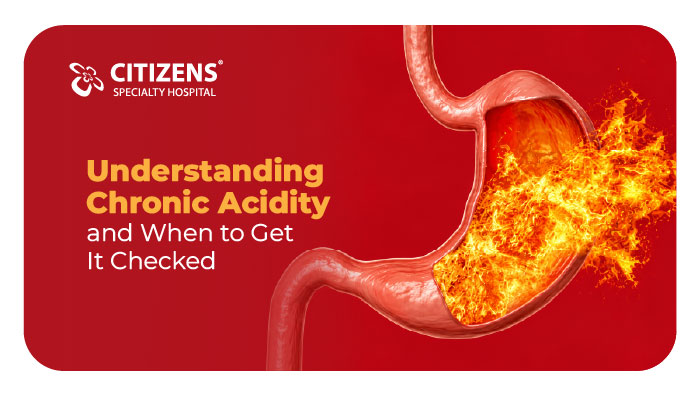
Acid reflux and heartburn are terms that are often used interchangeably, but they are not exactly the same. Understanding the difference between the two is essential for proper management and treatment. Both conditions affect millions of people worldwide and can range from mild discomfort to serious health complications. In this blog, we will explore what acid reflux and heartburn are, their causes, symptoms, treatments, and when to seek medical care, including liver disease treatment in Hyderabad if related issues arise.
Acid reflux, medically known as gastroesophageal reflux disease (GERD) when chronic, occurs when stomach acid flows backward into the esophagus. This happens when the lower esophageal sphincter (LES)—a ring of muscle that acts as a valve between your stomach and esophagus—weakens or relaxes inappropriately.
The esophagus lacks the protective lining that shields your stomach from acid, making it vulnerable to irritation and damage when exposed to gastric contents. This explains why acid reflux can cause such significant discomfort and, if left untreated, lead to serious complications.
Heartburn is specifically the burning sensation you feel in your chest when stomach acid irritates the lining of your esophagus. Despite its name, heartburn has nothing to do with your heart—it earned this moniker because the discomfort occurs in the chest area near where your heart is located.
Think of heartburn as one piece of a larger puzzle. While it's the most recognizable symptom of acid reflux, experiencing heartburn doesn't automatically mean you have GERD.
Understanding how these conditions connect clarifies much of the confusion surrounding them. Acid reflux is the underlying process, while heartburn is one of its most common symptoms.
When acid reflux occurs, you might experience:
Not everyone with acid reflux experiences heartburn, and the severity of heartburn doesn't always correlate with the extent of esophageal damage. Some individuals have "silent reflux," where acid reaches the throat and voice box without causing the characteristic burning sensation.
The timing and triggers can also help differentiate your experience. Heartburn often strikes within an hour of eating, particularly after consuming spicy, fatty, or acidic foods. Acid reflux symptoms, however, can occur at various times and may be more persistent.
Both conditions share similar underlying causes, though individual triggers may vary:
Age also plays a role, as the lower esophageal sphincter may weaken over time, making older adults more susceptible to both conditions.
While occasional heartburn is common and usually manageable with lifestyle changes or over-the-counter medications, persistent symptoms warrant medical evaluation. You should consult a healthcare provider if you experience:
For residents seeking comprehensive care, consulting specialists who provide liver disease treatment in Hyderabad can be particularly beneficial if your digestive symptoms are part of a broader pattern of liver-related health concerns. The liver plays a crucial role in digestion, and addressing any underlying liver conditions can significantly improve overall digestive health.
The treatment approach depends on symptom frequency, severity, and impact on your quality of life. Your healthcare provider can determine the most appropriate strategy based on your individual situation.
Although acid reflux and heartburn are closely related, distinguishing between the two is crucial for effective treatment and prevention. Acid reflux is the actual movement of stomach acid into the esophagus, while heartburn is the discomfort caused by this acid. Understanding the causes, symptoms, and treatment options can help manage these conditions and prevent complications.
For individuals experiencing persistent symptoms, consulting a specialist is essential. In cases where liver function is also a concern, seeking liver disease treatment in Hyderabad ensures comprehensive care and accurate diagnosis. Prioritizing lifestyle changes, timely medical intervention, and proper management strategies can help individuals lead a healthier, symptom-free life.
A: Yes, this condition is called "silent reflux" or laryngopharyngeal reflux (LPR). You might experience throat clearing, hoarseness, or chronic cough without the typical burning sensation.
A: Heartburn usually lasts 30 minutes to several hours. If symptoms persist longer or occur frequently, medical evaluation is recommended.
A: Some people find relief with ginger, chamomile tea, or apple cider vinegar, though scientific evidence varies. Always consult your healthcare provider before trying natural remedies.
A: While stress doesn't directly cause acid reflux, it can worsen symptoms by affecting digestion and increasing stomach acid production.
A: If over-the-counter treatments don't provide relief after two weeks, or if you experience alarm symptoms like difficulty swallowing or unintended weight loss, specialist evaluation is appropriate.