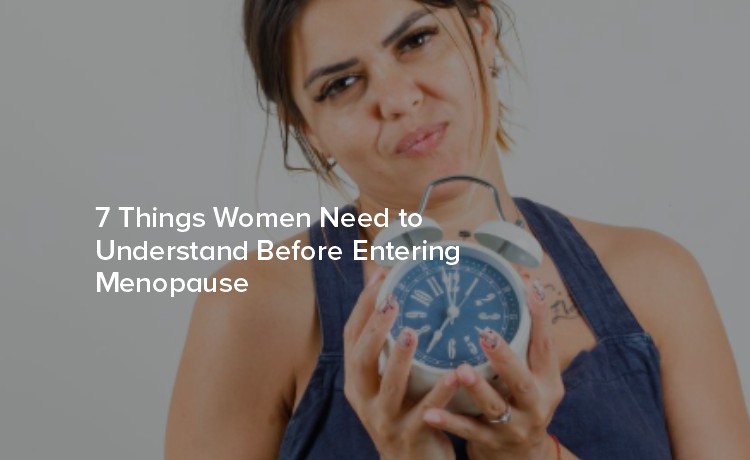
Menopause marks a significant transition in every woman's life, yet many approach this natural phase with uncertainty and apprehension. The lack of comprehensive education about what to expect can leave women feeling unprepared for the physical, emotional, and lifestyle changes ahead.
Understanding menopause before it begins empowers you to make informed decisions about your health and well-being. Armed with knowledge, you can navigate this transition with confidence, knowing that while menopause brings changes, it also opens doors to new possibilities and freedoms.
Many women mistakenly believe menopause happens suddenly, but the transition actually begins with perimenopause, which can start in your 40s or even late 30s. This preparatory phase typically lasts four to eight years, though some women experience it for up to a decade.
During perimenopause, your ovaries gradually produce less estrogen, causing irregular menstrual cycles. You might notice periods becoming lighter, heavier, longer, or shorter than usual. Some months you may skip periods entirely, while others bring unexpectedly heavy bleeding.
Recognizing these early signs allows you to seek appropriate medical guidance and begin implementing lifestyle strategies that can ease your transition into menopause.
The declining estrogen levels during menopause impact virtually every system in your body. Estrogen receptors exist throughout your body, including in your brain, bones, cardiovascular system, and skin, which explains why menopausal symptoms extend far beyond hot flashes.
Cardiovascular health becomes a primary concern as estrogen helps protect against heart disease. After menopause, your risk of cardiovascular issues increases, making heart-healthy lifestyle choices more crucial than ever.
Bone density begins declining more rapidly without adequate estrogen protection. This puts you at higher risk for osteoporosis and fractures, particularly in the spine, hips, and wrists.
Cognitive function may also be affected, with some women experiencing memory lapses, difficulty concentrating, or "brain fog" during the transition. While concerning, these symptoms are typically temporary and improve as your body adjusts to new hormone levels.
Understanding these broader implications helps you take proactive steps to protect your overall health during menopause.
Metabolic changes during menopause make weight management more difficult for many women. As estrogen levels decline, your body tends to store fat differently, often accumulating it around the midsection rather than the hips and thighs.
Your basal metabolic rate also slows down, meaning you burn fewer calories at rest. This metabolic shift, combined with potential muscle mass loss, can lead to gradual weight gain even if your eating habits haven't changed.
Starting these practices before menopause gives you a significant advantage in maintaining your desired weight throughout the transition.
Sleep disturbances are among the most common and disruptive symptoms of menopause. Night sweats can wake you multiple times per night, while hormonal fluctuations may make it difficult to fall asleep or stay asleep consistently.
Poor sleep quality creates a cascade of additional problems, including increased stress, weight gain, mood changes, and decreased immune function. The sleep-wake cycle disruption can also worsen other menopausal symptoms, creating a challenging cycle.
If sleep problems persist despite these measures, consult your healthcare provider about additional treatment options.
The hormonal fluctuations of menopause can significantly impact your emotional well-being. Estrogen influences neurotransmitters in the brain, including serotonin and dopamine, which regulate mood and feelings of well-being.
Many women experience increased anxiety, irritability, or mood swings during perimenopause and menopause. Some may develop depression for the first time, while others with a history of depression might notice their symptoms worsening.
Remember that seeking professional help for mental health concerns shows strength, not weakness. Your emotional well-being is just as important as your physical health.
While hormone replacement therapy (HRT) receives significant attention, numerous treatment approaches can help manage menopausal symptoms. The best approach for you depends on your individual symptoms, health history, and personal preferences.
Alternative therapies such as acupuncture, herbal supplements, and mindfulness-based stress reduction have shown promise for some women, though scientific evidence varies.
Work closely with your healthcare provider to develop a personalized treatment plan that addresses your specific needs and concerns while considering your overall health profile.
Rather than viewing menopause solely as an ending, consider it a beginning of a new life phase with unique advantages. Freedom from monthly periods and pregnancy concerns can be liberating for many women.
Many women report increased self-confidence, clarity about their priorities, and willingness to pursue previously postponed goals during and after menopause. This life stage often coincides with children becoming more independent, creating opportunities for personal growth and new experiences.
The wisdom and experience you've gained throughout your life serve as valuable assets as you navigate this transition and embrace the opportunities ahead.
Understanding what lies ahead empowers you to approach menopause with confidence rather than fear. This natural transition, while presenting challenges, also offers opportunities for growth, self-discovery, and renewed focus on your health and well-being.
Start preparing now by establishing healthy lifestyle habits, building a strong support network, and developing an open relationship with a healthcare provider who understands your concerns. Remember that every woman's experience is unique, and what works for others may not be the best approach for you.