Heart attacks can happen suddenly, but the body often provides warning signs hours, days, or even weeks before a cardiac event occurs. Recognizing these critical symptoms could mean the difference between life and death—not just for yourself, but for your loved ones as well.
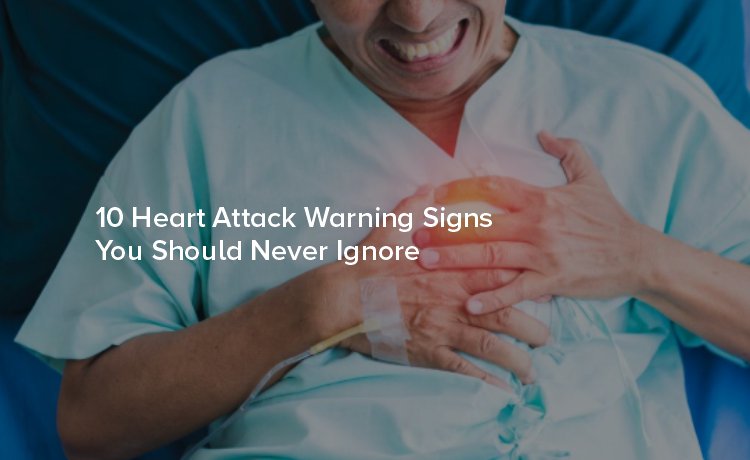
The most recognized heart attack symptom is chest pain, but it doesn't always present as the crushing sensation depicted in movies. Many patients describe the feeling as pressure, squeezing, fullness, or pain in the center of the chest that lasts more than a few minutes or goes away and comes back.
This discomfort can feel like someone sitting on your chest or like severe heartburn. The pain may be constant or come in waves, and it's often accompanied by other symptoms. Don't wait for the pain to become unbearable—any persistent chest discomfort warrants immediate medical evaluation.
Some people experience chest pain that radiates to other parts of the body, creating a pattern of discomfort that extends beyond the chest area. This radiating pain is a significant warning sign that should never be dismissed.
Heart attack pain frequently spreads beyond the chest to the arms, particularly the left arm, though both arms can be affected. This radiating pain may feel like aching, numbness, or tingling that extends from the shoulder down to the fingers.
The discomfort can also travel upward to the neck, jaw, or back. Many people mistake jaw pain for dental problems or neck pain for muscle strain. However, when these symptoms occur alongside other warning signs, they may indicate cardiac distress.
Women are more likely than men to experience pain in the neck, jaw, or back during a heart attack. This pain can be subtle and may not seem connected to heart problems, leading to delayed treatment.
Difficulty breathing can occur with or without chest pain and may be one of the earliest signs of heart trouble. You might feel like you can't catch your breath after minimal exertion, or you may experience sudden shortness of breath while at rest.
This symptom often develops when the heart cannot pump blood effectively, causing fluid to back up into the lungs. The resulting sensation can feel like drowning or suffocating, even when you're not physically active.
Many people attribute breathing difficulties to being out of shape, allergies, or other respiratory issues. However, sudden or unexplained shortness of breath, especially when combined with other symptoms, requires immediate medical attention.
Extreme fatigue that appears suddenly or unusual weakness can signal an impending heart attack, particularly in women. This isn't the typical tiredness you feel after a long day—it's an overwhelming exhaustion that interferes with daily activities.
You might find yourself unable to complete routine tasks that were previously easy, such as climbing stairs, carrying groceries, or walking short distances. This fatigue can develop days or weeks before a heart attack occurs.
The weakness may affect your entire body or specific areas, such as your arms or legs. Some patients describe feeling like their energy has been completely drained, even after adequate rest and sleep.
Gastrointestinal symptoms during a heart attack are more common than many people realize. Nausea, vomiting, and indigestion can occur as the heart struggles to maintain proper circulation, affecting the digestive system.
These symptoms are frequently mistaken for food poisoning, stomach flu, or acid reflux. The nausea may be accompanied by cold sweats and can be so severe that it prevents eating or drinking.
Some patients experience a feeling of fullness or bloating in the upper abdomen, similar to severe indigestion. This discomfort may come and go or persist for hours, often leading people to take antacids rather than seeking medical care.
Breaking out in a cold sweat without physical exertion or warm temperatures is a significant warning sign. This type of sweating is different from normal perspiration—it often feels clammy and may be accompanied by pale or gray skin.
The sweating typically occurs suddenly and may be profuse, soaking through clothing. Many patients describe feeling cold and clammy despite the sweating, which indicates the body's stress response to cardiac distress.
This symptom often accompanies other warning signs and can be particularly pronounced during the actual heart attack. The combination of cold sweats with chest discomfort or shortness of breath requires emergency medical attention.
Feeling dizzy, lightheaded, or faint can indicate that your heart isn't pumping blood effectively to your brain. This symptom may come on gradually or suddenly, and it can range from mild unsteadiness to near-fainting episodes.
You might experience a spinning sensation, feel like the room is moving, or have difficulty maintaining your balance. Some patients describe feeling like they might pass out, especially when standing up quickly or during physical activity.
Dizziness combined with chest pain, shortness of breath, or other cardiac symptoms is particularly concerning. These episodes shouldn't be dismissed as simply getting up too fast or skipping meals.
Heart palpitations—the sensation that your heart is racing, pounding, or skipping beats—can be an early warning sign of cardiac problems. You might feel like your heart is fluttering in your chest or beating irregularly.
These palpitations may occur at rest or during mild activity and can be accompanied by anxiety or a sense of impending doom. The irregular rhythm indicates that your heart's electrical system may be compromised.
While occasional palpitations are common and often harmless, persistent or severe irregular heartbeats, especially when combined with other symptoms, warrant immediate medical evaluation.
Heart attack symptoms can develop suddenly without warning, progressing rapidly from mild discomfort to severe distress. This sudden onset is particularly dangerous because it may not allow time for gradual recognition of the problem.
Some patients experience a rapid escalation of symptoms within minutes, while others may notice a sudden worsening of previously mild symptoms. The key is recognizing when symptoms change dramatically or become more intense.
Emergency medical services should be called immediately when symptoms appear suddenly or worsen rapidly, as this pattern often indicates an active heart attack requiring immediate intervention.
Several visible changes in physical appearance can signal cardiac distress:
Emergency medical services can begin life-saving treatment en route to the hospital and can communicate with the emergency department to prepare for your arrival. This coordination can significantly reduce the time between symptom onset and treatment.
If you're with someone experiencing these symptoms, stay calm, call for help, and be prepared to perform CPR if the person becomes unconscious. Having someone nearby who recognizes these warning signs can be lifesaving.