The liver is one of the most vital organs in the human body, responsible for detoxifying blood, producing essential proteins, metabolizing nutrients, and supporting digestion. But like any hardworking machine, it’s prone to wear and tear, especially when faced with toxins, unhealthy lifestyle habits, or underlying health conditions.
Liver damage might not show dramatic symptoms right away, but your body sends early warning signals that can help you address the issue before it becomes severe.
Your liver isn’t just another organ; it’s your body’s powerhouse. It plays a crucial role in keeping you alive and healthy by:
When the liver is damaged, these processes can fall apart, leading to systemic health problems. By catching the signs of liver trouble early, you could prevent complications like cirrhosis, liver failure, or the development of liver cancer.
1. Fatigue and Weakness
Feeling tired after a long day is normal, but what if that fatigue feels extreme or persistent, even with sufficient rest? Fatigue and weakness are often the first indicators of liver damage. When the liver is struggling, it can affect your body’s ability to properly metabolize nutrients and clear toxins, leaving you feeling drained.
What you can do:
See a doctor if this fatigue feels chronic or disrupts your daily activities. Blood tests like liver function tests (LFTs) can help assess if the liver is responsible.
2. Yellowing of the Skin or Eyes (Jaundice)
Jaundice happens when there’s a buildup of bilirubin, a yellow pigment produced naturally during the breakdown of red blood cells. Your liver normally processes and eliminates bilirubin, but when it’s impaired, the pigment can accumulate, causing your skin and eyes to appear yellowish.
What you can do:
Jaundice is a red flag for liver stress. Seek immediate medical attention to identify the underlying cause.
3. Abdominal Pain or Swelling
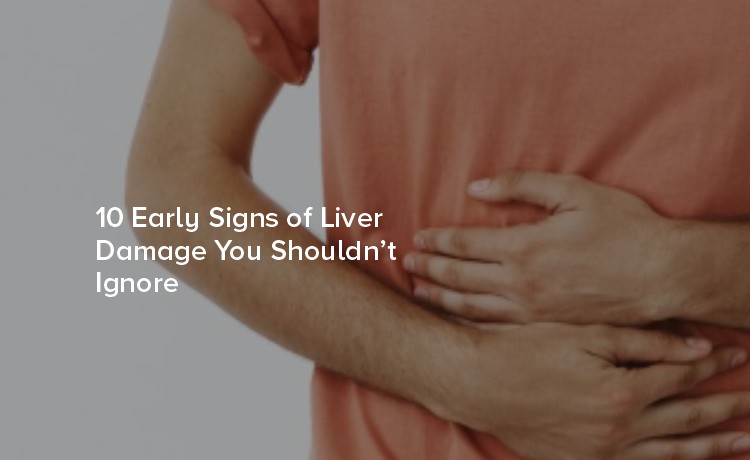
Unexplained pain or discomfort in the upper-right area of your abdomen could indicate liver damage. The liver itself doesn't have nerve endings, but its surrounding tissues may become inflamed, leading to tenderness or swelling.
What you can do:
Monitor whether the pain worsens after meals or intensifies over time. Persistent swelling should prompt a visit to your healthcare provider for an ultrasound or diagnostic imaging.
4. Unexplained Weight Loss
If you’ve been shedding pounds unexpectedly without changes to your eating habits or activity level, it could be linked to an unhealthy liver. Liver damage can disrupt metabolism, making it harder for your body to absorb nutrients efficiently.
What you can do:
Keep track of weight fluctuations and consult a doctor if you continue losing weight without effort. Your liver’s ability to handle nutrients could need investigation.
5. Dark Urine or Pale Stools
Changes in urine or stool color can be an early indicator of liver trouble. Dark urine may suggest excess bilirubin, while pale stools could point to reduced bile production, both signs of impaired liver function.
What you can do:
Hydrate and observe whether this symptom persists. If it does, seek professional advice, as it may be linked to liver dysfunction or gallbladder issues.
6. Easy Bruising or Bleeding
Your liver is responsible for producing proteins that help blood clot. If the liver is damaged, these proteins can decrease, leading to easy bruising or bleeding from minor injuries.
What you can do:
Notice if bruises appear in unusual areas or if small cuts bleed excessively. This warrants a thorough check of your blood's clotting factors.
7. Swelling in the Legs and Ankles (Edema)
Liver damage can lead to fluid retention in your body, particularly in your legs and ankles. This phenomenon, known as edema, occurs due to an imbalance of proteins that regulate circulation.
What you can do:
Raise your legs periodically to reduce swelling and monitor whether the puffiness subsides overnight. Persistent edema requires a medical assessment.
8. Loss of Appetite and Nausea
If you notice you’re eating significantly less or feel nauseated frequently, it could be a sign that your liver isn’t functioning well. A stressed liver can disrupt digestion, making meals less appealing and leading to unexplained nausea.
What you can do:
Keep an eye on your eating habits and any patterns of nausea. Long-term loss of appetite shouldn’t be ignored.
9. Spider-Like Blood Vessels on the Skin
Spider angiomas, small, web-like blood vessels visible beneath the skin’s surface, can appear when the liver is under duress. They are often seen in the upper chest, face, or arms.
What you can do:
These symptoms are worth mentioning to your doctor, especially if they’re accompanied by other liver trouble signs.
10. Mental Confusion or Difficulty Concentrating
A poorly functioning liver can lead to a buildup of toxins in your bloodstream, which may affect brain function. This can result in memory problems, confusion, or difficulty focusing, collectively known as hepatic encephalopathy.
What you can do:
If mental confusion interferes with daily tasks, contact a healthcare provider immediately to rule out serious complications.
Catching the early signs of liver damage is only half the battle. Here are proactive steps to protect your liver and keep it functioning at its best:
Your liver rarely complains, but when it does, it’s important to listen. Recognizing the warning signs early can make all the difference in preventing severe liver conditions. By paying attention to potential symptoms like fatigue, jaundice, or changes in your appetite, you can seek the care you need to stay healthy.