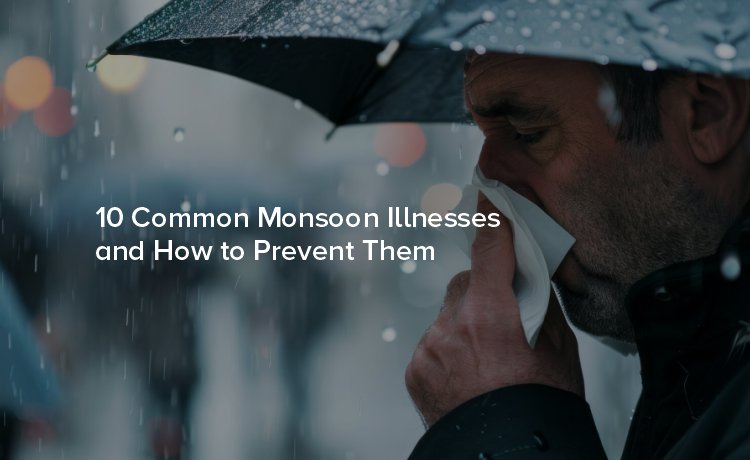
The monsoon season brings much-needed relief from scorching summer heat, but it also creates ideal conditions for various health challenges. As humidity levels rise and stagnant water accumulates, disease-carrying vectors thrive, making this period particularly vulnerable for illness outbreaks.
Understanding these seasonal health risks empowers you to take proactive measures for your family's wellbeing. From vector-borne diseases to waterborne infections, monsoon-related illnesses can range from mild discomfort to serious complications requiring immediate medical attention.
The monsoon season creates a perfect storm of environmental factors that promote disease transmission. High humidity, fluctuating temperatures, and increased water logging provide breeding grounds for mosquitoes, bacteria, and viruses. Poor sanitation conditions often worsen during heavy rains, contaminating water sources and food supplies.
These seasonal changes affect our immune systems as well. The constant shift between hot and cold weather can weaken our natural defenses, making us more susceptible to infections. Additionally, reduced sunlight exposure during cloudy monsoon days can impact vitamin D synthesis, further compromising immunity.
Dengue fever remains one of the most serious monsoon-related health threats. The Aedes aegypti mosquito, which breeds in clean, stagnant water, transmits this viral infection.
Malaria transmission increases significantly during monsoons as Anopheles mosquitoes multiply in stagnant water bodies. This parasitic infection requires immediate medical attention to prevent complications.
Another Aedes mosquito-transmitted viral infection, chikungunya causes debilitating joint pain that can persist for months. The name itself means "to walk bent over" in African dialect, reflecting the characteristic posture of affected individuals.
Contaminated water and food during monsoons frequently cause typhoid, a bacterial infection that affects the intestinal tract and bloodstream. Poor sanitation and flooding increase the risk of Salmonella typhi transmission.
This viral liver infection spreads through contaminated water and food, making monsoon season particularly risky. Hepatitis A causes inflammation of the liver and can lead to serious complications if untreated.
Commonly known as stomach flu, gastroenteritis results from consuming contaminated food or water. Multiple pathogens, including viruses, bacteria, and parasites, can cause this condition during monsoons.
Temperature fluctuations and increased humidity during monsoons create favorable conditions for respiratory viruses. These infections spread rapidly through airborne droplets in crowded, poorly ventilated spaces.
High humidity and constant moisture during monsoons create ideal conditions for fungal and bacterial skin infections. These conditions particularly affect areas where skin folds create warm, moist environments.
This bacterial infection spreads through contact with water contaminated by infected animal urine. Urban flooding during monsoons significantly increases exposure risk, particularly for those walking through flooded streets.
Cholera remains a significant threat during monsoons, especially in areas with poor sanitation. This bacterial infection spreads through contaminated water and can cause severe dehydration within hours.
Early medical intervention can prevent minor illnesses from becoming serious complications. Contact your healthcare provider immediately if you experience high fever lasting more than two days, severe dehydration, persistent vomiting, or any combination of symptoms mentioned above.
Don't attempt self-treatment for potentially serious conditions like dengue, malaria, or typhoid. These diseases require professional diagnosis and specific treatments that only qualified medical professionals can provide.
If you live in or have traveled to areas with known disease outbreaks, inform your healthcare provider about your exposure history. This information helps them make accurate diagnoses and recommend appropriate treatments.
Monsoon illnesses are largely preventable through consistent, evidence-based precautions. By understanding these common diseases and implementing comprehensive prevention strategies, you can significantly reduce your family's risk while still enjoying the beauty of the rainy season.
Remember that prevention remains far more effective and cost-efficient than treatment. Invest in proper sanitation, mosquito control, and safe food practices now to avoid the complications and expenses associated with monsoon-related illnesses later.