A cancer diagnosis in a child is one of the most frightening experiences a parent can face. Wilms tumor, the most common type of kidney cancer in children, has one of the highest cure rates among pediatric cancers when detected and treated appropriately. Understanding this condition can help parents navigate diagnosis and treatment with greater confidence.
What Is Wilms Tumor?
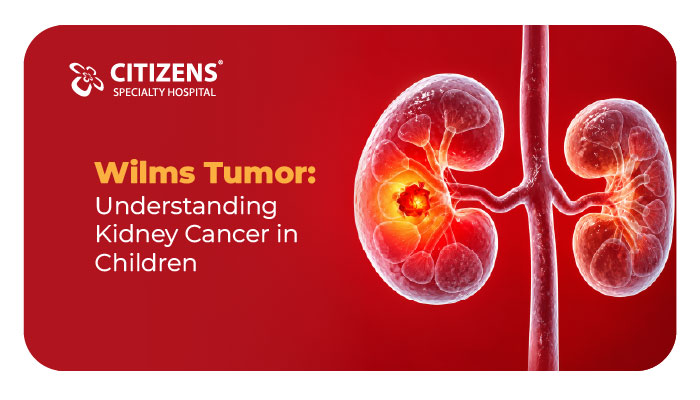
Wilms tumor, also known as nephroblastoma, is a type of kidney cancer that primarily affects children, most diagnosed between ages three and four. It develops from immature kidney cells that fail to properly develop into mature kidney tissue during fetal development.
How Common Is Wilms Tumor?
Wilms tumor is the most common type of kidney cancer in children, though childhood kidney cancer overall remains relatively rare. It can affect one kidney (unilateral) or, less commonly, both kidneys (bilateral).
What Causes Wilms Tumor?
The exact cause isn’t always identified, but certain factors are associated with increased risk:
Recognizing the Signs and Symptoms
Wilms tumor often doesn’t cause noticeable symptoms in early stages, but parents may observe:
Because young children may not be able to articulate discomfort clearly, parents noticing any abdominal swelling or persistent unexplained symptoms should seek prompt medical evaluation.
How Is Wilms Tumor Diagnosed?
Staging Wilms Tumor
Staging helps determine the extent of cancer spread and guides treatment planning:
Treatment Options for Wilms Tumor
Treatment typically involves a combination approach tailored to the tumor’s stage and specific characteristics.
Surgery
Surgical removal of the affected kidney (nephrectomy) is often the primary treatment, and in many cases, the first step, allowing accurate staging and tissue diagnosis.
Chemotherapy
Most children with Wilms tumor receive chemotherapy, either:
Radiation Therapy
Used in select cases, particularly for higher-stage tumors or specific tumor characteristics associated with higher recurrence risk, to target any remaining cancer cells in the abdomen or elsewhere.
What to Expect During Treatment
Hospital Stays
Surgery typically requires a hospital stay of several days to a week, with chemotherapy often administered on an outpatient basis, though some children may require hospitalization during certain treatment phases.
Side Effects of Treatment
Long-Term Outlook
Wilms tumor has one of the highest cure rates among childhood cancers, particularly for early-stage disease. Long-term survival rates are excellent for most children, especially those with favorable tumor characteristics and early-stage disease at diagnosis.
Long-Term Follow-Up Care
Children who have been treated for Wilms tumor require ongoing follow-up to monitor for:
Supporting Your Child and Family Through Treatment
Living with One Kidney
Many children successfully live healthy lives with just one kidney after treatment for Wilms tumor. The remaining kidney typically compensates effectively, though regular monitoring of kidney function is recommended throughout life.
Conclusion
A Wilms tumor diagnosis is undoubtedly frightening for any family, but this childhood kidney cancer has one of the most favorable outlooks among pediatric cancers, thanks to effective combination treatment approaches. With appropriate surgical, chemotherapy, and sometimes radiation treatment, along with diligent follow-up care, most children go on to thrive after successful treatment.
Frequently Asked Questions
Q: Is Wilms tumor curable? A: Yes, Wilms tumor has excellent cure rates, particularly when diagnosed at an early stage, with a comprehensive treatment approach involving surgery, chemotherapy, and sometimes radiation.
Q: What are the first signs parents typically notice? A: Abdominal swelling or a noticeable mass is often the first sign parents observe, sometimes discovered incidentally.
Q: Will my child need dialysis after kidney removal? A: This is uncommon, as the remaining healthy kidney usually compensates effectively, though bilateral cases may require more complex management.
Q: How long does treatment for Wilms tumor typically take? A: This varies based on stage and treatment plan, but often spans several months, including surgery and chemotherapy.
Q: Can Wilms tumor come back after treatment? A: Recurrence is possible, particularly in the first two to three years after treatment, which is why regular follow-up monitoring is essential.