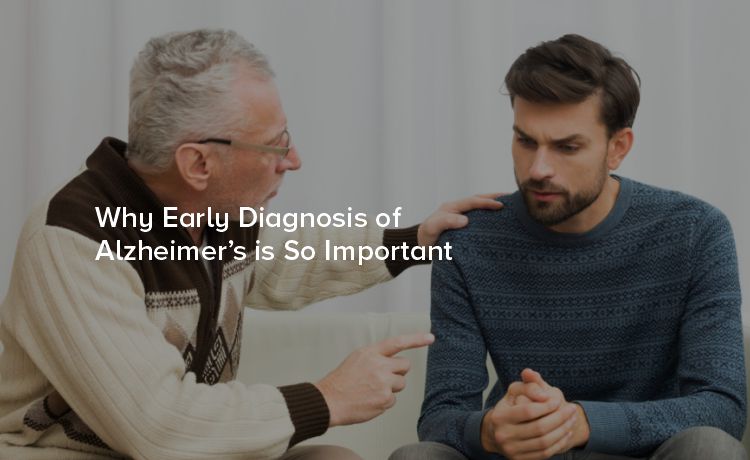
Alzheimer’s disease is one of the most common forms of dementia, affecting millions of people worldwide. It is a progressive neurological disorder that slowly damages memory, thinking skills, and the ability to perform everyday activities. While there is currently no cure for Alzheimer’s, early diagnosis plays a crucial role in managing the disease more effectively, providing patients and their families with the right support, and improving overall quality of life.
Alzheimer’s disease is caused by the build-up of abnormal proteins in the brain, including beta-amyloid plaques and tau tangles, which lead to the death of brain cells. Over time, this damage disrupts communication between neurons and causes the brain to shrink.
The condition usually develops slowly, with symptoms appearing years after the disease process has begun. Early signs may include:
Because these symptoms may appear mild or be mistaken for normal aging, Alzheimer’s is often diagnosed at later stages. That’s why recognizing the signs early and seeking medical advice is critical.
Although Alzheimer’s has no cure, early diagnosis allows patients to access available treatments that can help slow disease progression. Medications like cholinesterase inhibitors (donepezil, rivastigmine, galantamine) and memantine may ease symptoms and improve cognitive function in the earlier stages. Recently, newer drugs targeting amyloid plaques have been developed, but their effectiveness is most significant when given early.
In addition to medications, lifestyle interventions such as diet, exercise, cognitive training, and social engagement are more effective when started early.
An early diagnosis gives patients and families time to plan for the future. This includes:
When individuals are diagnosed early, they can actively participate in these decisions, ensuring their preferences and wishes are respected.
Receiving an early diagnosis can be frightening, but it also provides clarity. Patients and caregivers can take proactive steps to adapt their lifestyle, establish routines, and seek support. This reduces stress and helps individuals maintain independence longer.
With timely intervention, patients can engage in memory training activities, join support groups, and adopt brain-healthy habits such as regular exercise, balanced nutrition, and stress management techniques.
Unexplained memory lapses or personality changes can cause frustration, anxiety, and even depression. An early diagnosis gives patients and families an explanation for these symptoms, reducing uncertainty and fear.
It also allows families to access counseling services, support groups, and community resources, which provide both education and emotional support.
Early diagnosis opens the door to participation in clinical trials for new Alzheimer’s treatments. Many of these studies require patients in the early stages of the disease, where therapies have the greatest chance of success.
By enrolling in research programs, patients not only access cutting-edge treatments but also contribute to advancing science and improving future care for others.
Delaying diagnosis often leads to more emergency visits, hospitalizations, and late-stage care, which are costlier. Early detection and management can help reduce long-term healthcare expenses by preventing complications, slowing decline, and providing access to community-based resources.
Doctors use a combination of methods to detect Alzheimer’s at its earliest stages:
Regular health check-ups, especially for people over 60 or those with a family history of dementia, are essential for early detection.
While anyone can develop Alzheimer’s, certain factors increase the risk:
Recognizing these risks helps individuals take preventive measures and seek medical attention early if symptoms appear.
While Alzheimer’s cannot be fully prevented, early diagnosis enables patients to adopt lifestyle strategies that may delay progression:
Alzheimer’s disease is life-changing, but an early diagnosis can make a world of difference. It provides access to treatment, empowers patients to make informed choices, supports caregivers, reduces healthcare costs, and offers opportunities to participate in research.
Most importantly, it allows individuals to maintain their dignity, independence, and quality of life for as long as possible.