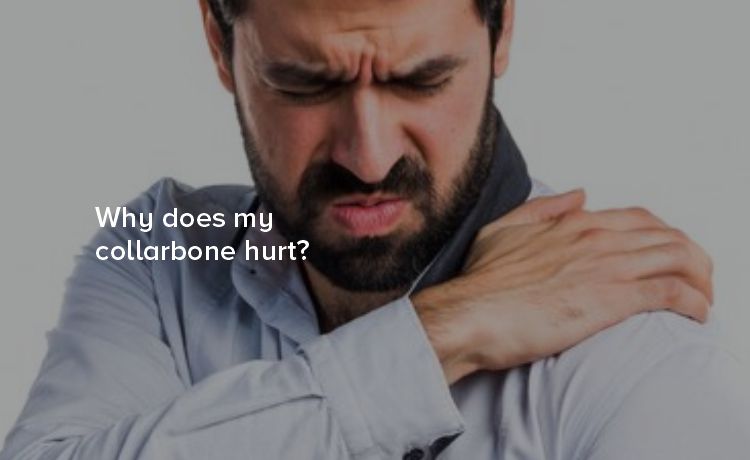
That sharp ache along your collarbone can be both puzzling and concerning. Whether you're experiencing a dull throb after waking up or sharp pain under your collarbone when breathing, understanding the root cause is the first step toward finding relief.
Your clavicle, commonly known as the collarbone, plays a crucial role in connecting your arm to your torso. This S-shaped bone sits prominently across the top of your chest and is surprisingly vulnerable to injury and strain. When pain strikes this area, it can significantly impact your daily activities, from lifting objects to simply getting dressed.
Fractures represent one of the most serious causes of clavicle pain. These typically occur from direct impact during falls, sports activities, or motor vehicle accidents. A broken collarbone often produces immediate, severe pain accompanied by visible deformity, swelling, and difficulty moving the affected arm.
Muscle strains in the surrounding area can also create significant discomfort. The muscles connecting to your clavicle—including the pectoralis major and deltoid—can become overstretched or torn during physical activity or sudden movements.
Joint injuries affecting the acromioclavicular (AC) joint or sternoclavicular joint can cause localized pain. These joints connect your collarbone to your shoulder blade and breastbone respectively, and injuries here often result from repetitive overhead motions or direct trauma.
Poor posture creates a cascade of problems that can manifest as collarbone pain. Hours spent hunched over computers or looking down at phones places excessive stress on the muscles and joints surrounding your clavicle. This forward head posture and rounded shoulder position can lead to muscle imbalances and chronic discomfort.
Repetitive overhead activities—whether from work, sports, or daily tasks—can gradually wear down the structures around your collarbone. Athletes involved in swimming, tennis, or throwing sports are particularly susceptible to these overuse injuries.
Several underlying conditions can contribute to clavicle pain. Arthritis can develop in the joints connected to your collarbone, causing inflammation, stiffness, and pain that worsens with movement. This is more common in older adults or those with a history of joint injuries.
Nerve compression or irritation in the neck or shoulder region can sometimes refer pain to the collarbone area. Thoracic outlet syndrome, where nerves or blood vessels become compressed between your collarbone and first rib, can create pain that radiates along the clavicle.
Inflammatory conditions affecting the muscles, tendons, or joints can also manifest as collarbone discomfort. These may be related to autoimmune conditions or result from chronic overuse patterns.
Experiencing pain under your collarbone when breathing can be particularly alarming. This type of discomfort often indicates involvement of the muscles used in respiration or potential issues with the underlying lung tissue.
The intercostal muscles, which run between your ribs, can become strained or inflamed, creating sharp pain that worsens with deep breathing. This commonly occurs after intense coughing episodes, unusual physical exertion, or sleeping in an awkward position.
Costochondritis, inflammation of the cartilage connecting your ribs to your breastbone, can cause pain that radiates toward the collarbone area. This condition often develops gradually and may be mistaken for heart problems due to its location and connection to breathing patterns.
While less common, more serious conditions such as pneumonia, pleurisy, or even heart-related issues can sometimes present with pain in the collarbone region that worsens with breathing. These situations typically involve additional symptoms and require immediate medical attention.
For acute collarbone pain, especially following injury, immediate rest is essential. Avoid activities that worsen the pain and support the affected arm with a sling if movement causes significant discomfort.
Ice application during the first 48 hours can help reduce inflammation and numb pain. Apply ice packs for 15-20 minutes at a time, ensuring you place a thin cloth between the ice and your skin to prevent cold injury.
Over-the-counter pain relievers such as ibuprofen or acetaminophen can provide temporary relief while you determine the underlying cause. Follow package directions and consult with a healthcare provider if pain persists beyond a few days.
Physical therapy often forms the cornerstone of clavicle pain treatment. A qualified therapist can assess your posture, movement patterns, and muscle imbalances to develop a targeted treatment plan. This may include manual therapy techniques, specific exercises to strengthen weakened muscles, and stretches to improve flexibility.
For severe injuries such as fractures, orthopedic intervention may be necessary. Treatment options range from conservative management with immobilization to surgical repair in cases of significant displacement or complications.
Injection therapies, including corticosteroid injections into inflamed joints or trigger point injections into tight muscles, can provide targeted relief for specific conditions. These treatments are typically reserved for cases that don't respond to conservative measures.
Addressing underlying postural issues is crucial for preventing recurrent collarbone pain. This involves strengthening the deep neck flexors and mid-trapezius muscles while stretching the chest and anterior shoulder muscles that often become tight with poor posture.
Ergonomic modifications to your workspace can significantly reduce strain on your collarbone and surrounding structures. This includes adjusting computer monitor height, using proper keyboard and mouse positioning, and taking regular breaks to move and stretch.
Activity modification may be necessary if your pain stems from repetitive motions or specific sports activities. Working with a movement specialist can help you identify problematic patterns and develop safer alternatives.
Certain symptoms warrant immediate medical evaluation. Severe pain following trauma, visible deformity of the collarbone, or inability to move your arm normally may indicate a fracture requiring urgent care.
Pain accompanied by difficulty breathing, chest tightness, or other concerning symptoms should never be ignored. These could signal serious conditions affecting your heart or lungs that require emergency treatment.
Persistent pain that doesn't improve with rest and conservative measures over several days merits professional assessment. Early intervention often leads to better outcomes and can prevent chronic problems from developing.
Signs of infection, such as fever, redness, warmth, or swelling around the collarbone area, require prompt medical attention. These symptoms, especially following an injury or procedure, could indicate a serious complication.
Understanding your collarbone pain empowers you to make informed decisions about your care. While many cases respond well to conservative treatment, recognizing when professional help is needed ensures you receive appropriate care before minor issues become major problems.
Remember that your body's pain signals serve an important purpose—they're alerting you that something needs attention. By listening to these signals and responding appropriately, you can often resolve collarbone pain effectively and return to your normal activities with confidence.