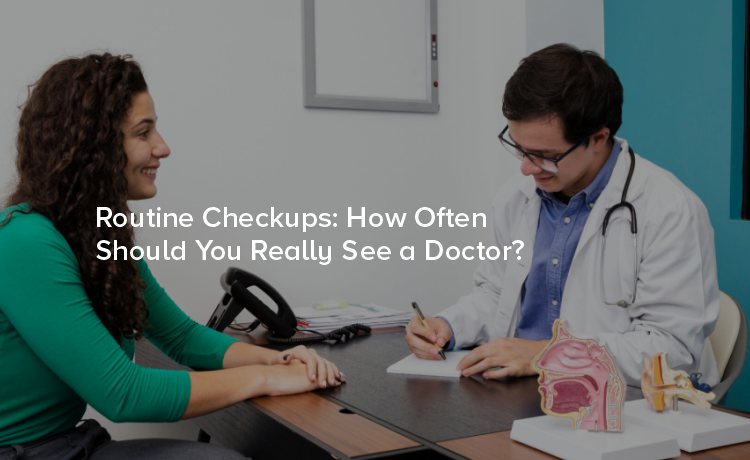
Regular health checkups are essential for maintaining good health and detecting potential medical issues before they become serious. Many people, however, are unsure about how often they should visit a doctor for routine checkups. If you are considering a master health check in Hyderabad, understanding the importance of these visits and the recommended frequency can help you stay on top of your health.
Routine checkups are more than just a formality; they are a proactive approach to health. During these visits, doctors can assess your overall well-being, identify risk factors, and provide guidance on lifestyle changes. For individuals without symptoms, these checkups can still uncover hidden health problems such as high blood pressure, diabetes, or early signs of heart disease.
Regular checkups also allow for the timely administration of vaccinations, screenings, and preventive measures that reduce the risk of serious illness. In addition, they create a baseline of your health metrics, making it easier for doctors to notice subtle changes over time.
The question of how often you need a checkup doesn't have a one-size-fits-all answer. The ideal frequency depends on your age, current health, and risk factors. Here are some general guidelines to help you understand what's typically recommended.
If you are in your 20s and generally healthy, you may not need a full physical exam every year. However, it's still wise to see a primary care physician every two to three years. These visits are important for:
As you move into your 30s and 40s, certain health risks begin to increase. It's a good idea to schedule a checkup every one to two years, even if you feel perfectly healthy. During this stage of life, your doctor will continue to monitor your basic health metrics and may introduce new screenings.
Once you reach 50, annual health checkups become essential. Your risk for many chronic conditions, including heart disease, diabetes, and certain cancers, increases significantly with age. An annual visit allows your doctor to stay ahead of these potential issues. Key focus areas include:
For individuals in this age group, a comprehensive evaluation like a master health check in Hyderabad can consolidate these necessary tests into a single, streamlined experience, providing a complete picture of your health.
While these guidelines provide a helpful framework, it's crucial to remember that they apply to routine checkups for healthy individuals. You should always schedule an appointment with your doctor if you experience any new, severe, or persistent symptoms. Don't wait for your next scheduled visit if something feels wrong. Trust your instincts and seek medical advice promptly.
Routine health checkups are a vital part of maintaining long-term well-being. The frequency and scope of these checkups vary based on age, lifestyle, and personal risk factors, but no one should overlook the importance of preventive care. For those looking to take a comprehensive approach to their health, a master health check in Hyderabad can offer a detailed assessment, ensuring that potential health issues are identified early and addressed appropriately. Prioritizing regular checkups today can lead to a healthier, longer, and more fulfilling life tomorrow.
A master health checkup is a comprehensive package of medical tests and screenings designed to evaluate your overall health. It typically includes a physical examination, blood tests, imaging studies, and cardiac assessments to detect potential health issues early.
To make the most of your appointment, prepare a list of any questions or concerns you have. Bring a list of all medications and supplements you take, and be ready to discuss your personal and family medical history.
Most health insurance plans cover preventive care services, including annual checkups and routine screenings, often at no out-of-pocket cost. However, it's always best to confirm the specifics of your coverage with your insurance provider beforehand.
The terms are often used interchangeably. Both refer to a preventive medical visit with your primary care doctor to assess your overall health, even when you are not feeling sick.