Our diet influences almost every part of our health, and the liver is no exception. Though it works quietly behind the scenes, the liver plays a critical role in detoxifying harmful substances, managing energy storage, and breaking down nutrients from the food and drinks you consume. Unfortunately, certain elements of a modern diet, particularly excess sugar and processed foods, can take a toll on this vital organ.
The liver is one of your hardest-working organs, responsible for over 500 essential functions. It acts like your body's filtration system, removing toxins and converting nutrients into forms your body can use. The liver also stores energy as glycogen, helps regulate blood sugar levels, and produces bile to aid in digestion.
But like any machine, the liver has its limits. When overburdened with excessive sugars or harmful substances from processed foods, it starts to struggle, which can lead to a range of health problems.
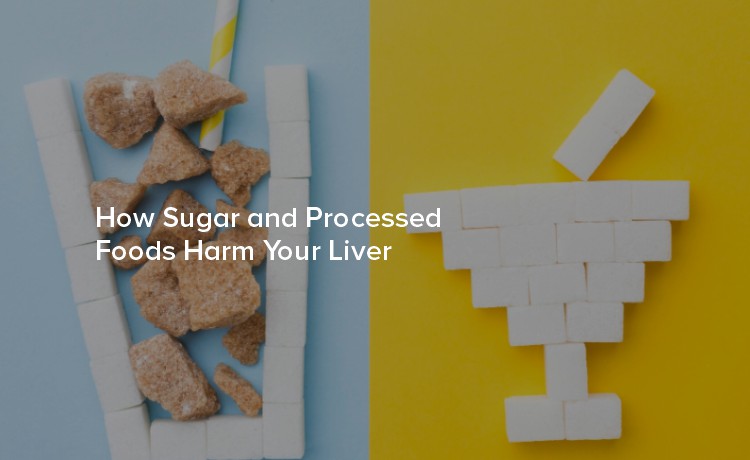
Sugar, especially in excess, is more than a sweet indulgence; it can have serious implications for your liver health. Here’s how:
1. Fructose and Fat Build-Up
Not all sugar is created equal. Fructose, a type of sugar often found in processed foods and sugary drinks, is metabolized almost exclusively by the liver. When you consume too much fructose, your liver converts the excess into fat. Over time, this can lead to non-alcoholic fatty liver disease (NAFLD), a condition where fat builds up in the liver, impairing its function.
2. Insulin Resistance and Increased Stress
Too much sugar in your diet can also lead to insulin resistance, a condition in which your cells no longer respond properly to the hormone insulin. This forces your pancreas to produce even more insulin, which in turn strains your liver and contributes to fat accumulation over time.
3. Inflammation and Oxidative Stress
High sugar intake can trigger chronic inflammation and oxidative stress in your liver. These factors are precursors to more severe liver damage, including scarring or fibrosis, which can progress to liver failure if left untreated.
4. Excess Sugar Equals Excess Energy
When your body doesn’t immediately use the sugar you consume for energy, it stores it as fat. This isn’t just limited to your waistline or thighs; when your liver accumulates fat, it hampers its ability to process toxins and regulate your body effectively.
Processed foods aren’t just loaded with sugar; they’re often packed with unhealthy fats, preservatives, and artificial ingredients that tax your liver. Here’s a closer look at the damage they can cause:
1. Trans Fats Overload
Processed foods often contain trans fats, which are linked to inflammation and fat accumulation in the liver. These artificial fats are staples in fast foods, snacks, and baked goods, making them difficult to avoid in a convenience-oriented diet.
2. Preservatives and Additives
The preservatives and artificial flavors in processed foods put added stress on your liver, which has to work overtime to process and detoxify these chemicals. Over time, this can lead to wear and tear that compromises liver efficiency.
3. Salt and High Calories
Processed foods tend to be high in sodium and calories, both of which can exacerbate conditions tied to poor liver health, including obesity and high blood pressure. Combined with sugary beverages, this can compound NAFLD risks.
4. Nutrient Deficiency
Relying heavily on processed foods often comes at the expense of nutrient-rich alternatives like fruits, vegetables, and whole grains. Without adequate vitamins, minerals, and antioxidants, your liver lacks the tools it needs to repair itself and function at its best.
The liver is a resilient organ, but when it’s overworked, it will send out distress signals. Keep an eye out for these warning signs:
The good news? Your liver has an incredible ability to heal when given the chance. Here’s how you can support it:
1. Limit Added Sugars
Start by cutting back on sugary drinks and snacks. Instead, opt for natural sweeteners like honey or opt for fruits, which contain fiber that slows sugar absorption.
2. Choose Whole, Unprocessed Foods
Whole foods like vegetables, legumes, lean proteins, and whole grains are rich in nutrients that support liver repair.
3. Increase Fiber Intake
Fiber helps regulate blood sugar levels and reduces fat build-up in the liver. Incorporate foods like oats, beans, and berries into your meals.
4. Stay Hydrated
Drink plenty of water to keep your liver functioning at optimal levels. Proper hydration aids the liver in flushing toxins.
5. Exercise Regularly
Exercise helps reduce fat accumulation in the liver. Even walking for 30 minutes a day can make a difference.
6. Monitor Your Portion Sizes
Reducing calorie intake helps prevent excess fat build-up in your liver, especially when you avoid overindulging in high-calorie processed foods.
Your liver works tirelessly to keep your body running smoothly, but it can only handle so much. By recognizing the dangers of sugar and processed foods and making conscious dietary adjustments, you can take significant strides toward a healthier liver and overall well-being.