Receiving lab results can sometimes bring up more questions than answers. If a recent blood test has shown a high platelet count, it's natural to feel concerned and want to understand what this means for your health. While the term "high platelet count" might sound alarming, it's important to know that it can result from a wide range of conditions, many of which are temporary and treatable.
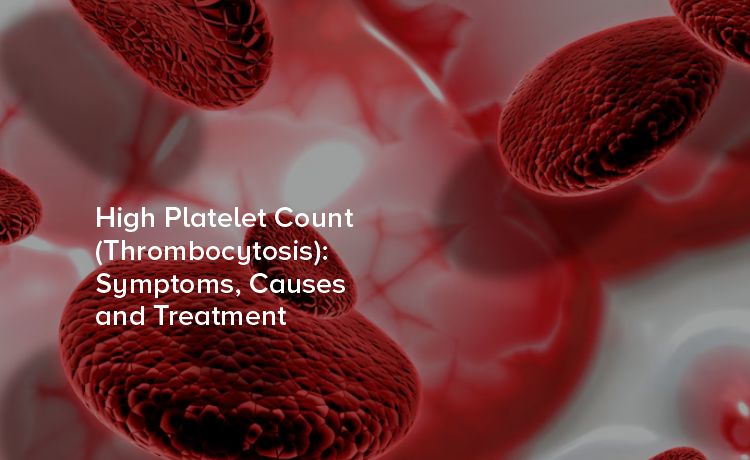
Before we explore what a high platelet count means, let's first understand the role of platelets in your body. Platelets, or thrombocytes, are tiny, disc-shaped cell fragments produced in your bone marrow. They are a crucial component of your blood, alongside red and white blood cells.
Their primary function is to help your blood clot. When you get a cut or injury that causes bleeding, platelets rush to the site. They stick together to form a plug, which seals the wound and stops the bleeding. This process, known as hemostasis, is vital for healing and preventing excessive blood loss. A normal platelet count typically ranges from 150,000 to 450,000 platelets per microliter of blood.
A high platelet count, or thrombocytosis, is diagnosed when your platelet levels exceed 450,000 per microliter of blood. This is usually discovered during a routine complete blood count (CBC), a common blood test that measures the different components of your blood.
It’s important to distinguish between the two main types of thrombocytosis, as their causes and implications are quite different:
Your doctor will use your high platelet count in a blood test results, along with your medical history and possibly further testing, to determine which type of thrombocytosis you have.
Many people with a high platelet count, especially those with reactive thrombocytosis, experience no symptoms at all. The condition is often only discovered through a routine blood test.
When symptoms do occur, they are usually related to abnormal blood clotting or bleeding. With too many platelets circulating, the risk of forming unnecessary blood clots (thrombosis) increases. These clots can block blood flow to vital organs. Conversely, in some cases of extremely high platelet counts, the platelets can function abnormally, leading to a higher risk of bleeding.
Common symptoms can include:
In more severe cases, blood clots can lead to serious complications such as a heart attack, stroke, or a clot in the lungs (pulmonary embolism). It is essential to seek immediate medical attention if you experience any of these severe symptoms.
The causes of a high platelet count depend on whether it is reactive or primary.
As the most common form, reactive thrombocytosis can be triggered by a variety of conditions:
Essential thrombocythemia is caused by genetic mutations in the stem cells within the bone marrow. These mutations affect genes like JAK2, CALR, or MPL, which are involved in regulating cell production. The faulty signals cause the bone marrow to overproduce platelets without an underlying trigger.
The approach to treatment is tailored to the specific type of thrombocytosis and the individual patient's risk of complications.
For reactive thrombocytosis, the focus is on treating the underlying condition. For example:
In these cases, the high platelet count itself is usually not treated directly, as it resolves once the root cause is addressed.
Treatment for ET aims to reduce the risk of blood clots and bleeding complications. The strategy depends on your age, medical history, and overall risk profile.
Discovering that you have a high platelet count can feel overwhelming, but it’s an important step toward better understanding your health. With the right guidance, most cases can be effectively managed through proper diagnosis, lifestyle changes, or targeted treatment. Partnering with your healthcare provider allows you to uncover the root cause and create a personalized care plan tailored to your needs.
At Citizens Hospitals, we are committed to delivering expert care through advanced diagnostics, specialized treatment options, and ongoing support. Our team works closely with each patient to ensure optimal management and improved well-being. With the right medical care and proactive steps, you can confidently take charge of your health and maintain a balanced life.