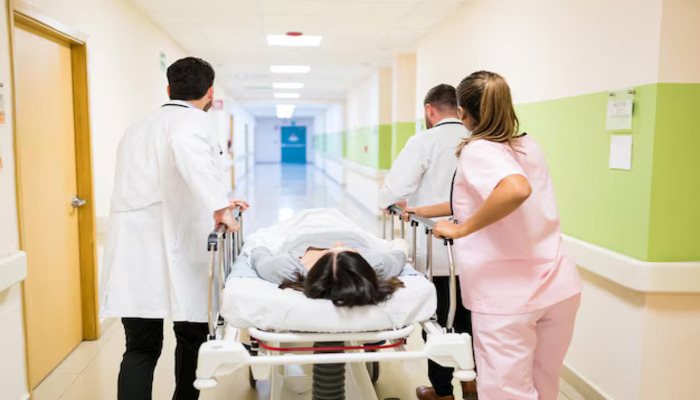
Trauma refers to serious injury caused by events such as road accidents, falls, workplace incidents, sports injuries, or violence. In many trauma cases, the outcome depends not only on the severity of the injury, but also on how quickly the person receives appropriate medical care. Emergency medicine often uses the term “golden hour” to describe the early period after a major injury when prompt assessment and treatment can improve survival and reduce long-term complications.
Major trauma can affect the body in several ways at once. Some injuries are obvious, such as fractures and open wounds. Others may be internal and less visible at first. Delays in evaluation can allow these hidden injuries to progress.
Emergency response matters because it helps achieve three essential steps quickly:
A well-organized 24x7 emergency department is designed to support these steps through trained teams and standardized processes.
Certain trauma-related conditions are particularly time-sensitive. These are common reasons clinicians emphasize the importance of early care:
Blood loss may be external (visible bleeding) or internal (abdomen, chest, pelvis, or long bones). Significant blood loss can lead to shock, where organs do not receive adequate oxygen. Shock can progress quickly without fluid resuscitation, blood transfusion, and control of bleeding.
Head trauma can cause bleeding inside the skull. Because the skull is a fixed space, bleeding and swelling can increase pressure on the brain. Early evaluation is important to determine if observation, medication, or urgent intervention is needed.
Injuries to the ribs and lungs can reduce oxygen levels. Some patients require oxygen therapy, airway support, or procedures to treat collapsed lung or internal bleeding. Rapid assessment helps prevent worsening respiratory failure.
Trauma to the neck or back may injure the spine or spinal cord. Proper immobilization and careful handling reduce the risk of further damage. Imaging and specialist evaluation guide further treatment.
These examples explain why accident trauma care focuses on early stabilization and systematic evaluation rather than waiting for symptoms to “settle.”
Ambulance services offer benefits that can directly affect outcomes:
For suspected serious injury, calling ambulance services is typically the safest and most efficient approach.
Hospitals that provide 24x7 emergency services generally follow structured protocols for trauma. While details vary by hospital, the approach is often consistent:
Triage is a rapid evaluation used to determine which patients need immediate attention. Patients with severe breathing difficulty, uncontrolled bleeding, altered consciousness, or unstable vital signs are prioritized.
Emergency teams typically focus on the most urgent threats first—airway, breathing, circulation, and neurological status. This approach ensures that life-threatening issues are addressed before moving to less urgent concerns.
Depending on the injury pattern, doctors may order X-rays, ultrasound, CT scans, and blood tests to identify internal injuries and guide treatment decisions. Early imaging can be especially important when symptoms are unclear.
After stabilization, patients may require procedures, surgery, ICU admission, or specialist referral. Some patients can be observed and discharged with follow-up instructions. Others need admission for monitoring and ongoing treatment. A coordinated ICU facility and operating theatre access are key strengths of a comprehensive trauma-capable hospital.
Delays often happen for practical reasons, such as uncertainty about where to go, waiting for family members, or underestimating symptoms. In trauma, delays may increase the risk of complications.
Steps that reduce delays include:
These measures help the emergency team act faster and more accurately.
It is not always possible to determine severity at the scene, but certain findings should be treated as urgent. Examples include:
When in doubt, it is safer to seek evaluation at a 24x7 emergency department.
For trauma, the most helpful hospital is one that can provide rapid diagnosis, stabilization, and definitive treatment when needed. Practical features to look for include:
These capabilities support efficient accident trauma care, especially when injuries are complex or time-sensitive.
The “golden hour” in trauma care emphasizes a straightforward point: early medical evaluation and timely treatment can improve outcomes after serious injury. Efficient emergency response depends on quick recognition of warning signs, appropriate use of ambulance services, and access to an emergency hospital with 24x7 emergency support and coordinated trauma systems.
Citizens Specialty Hospital provides emergency services designed to support timely assessment and care. For patients who require urgent attention after an injury, reaching a hospital with structured emergency response and critical care support can help reduce complications and improve recovery.