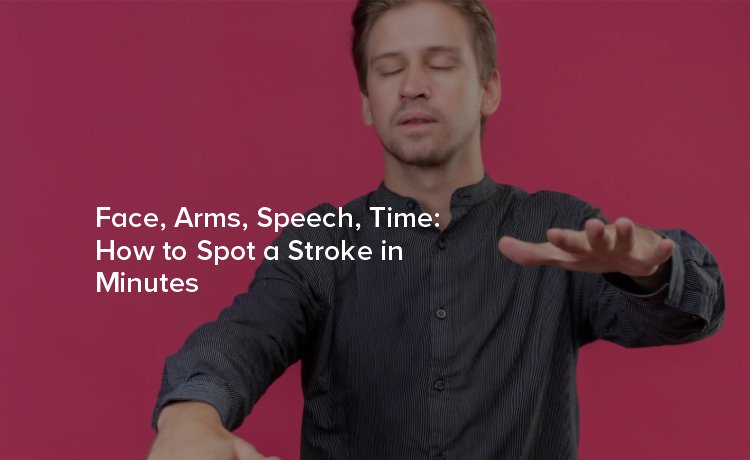
A stroke is a medical emergency that demands immediate attention. When a stroke occurs, the blood supply to part of the brain is interrupted or reduced, preventing brain tissue from getting the oxygen and nutrients it needs. Brain cells begin to die in minutes. Recognizing the signs of a stroke and acting swiftly can significantly improve the outcome, reduce the risk of long-term disability, and even save a life. Knowing the F.A.S.T. warning signs is a simple yet powerful way to prepare yourself to help in a critical moment. If you are concerned about stroke risk or neurological health, consulting with the best neurologist in Hyderabad can provide you with expert guidance and care.
The F.A.S.T. acronym was developed to help the public quickly recognize the key indicators of a stroke. Each letter stands for a specific sign to check for. Let's explore what each component means and what actions you should take.
One of the most visible signs of a stroke is facial drooping or numbness on one side. The muscles on one side of the face may become weak, causing it to sag or feel numb.
A sudden change in facial symmetry is a strong indicator that something is wrong. This symptom occurs because the part of the brain controlling facial muscles has been affected.
Sudden weakness or numbness in one arm is another common stroke symptom. The person may find it difficult to lift one arm or keep it raised.
This weakness can also affect the leg on the same side of the body. The inability to control motor functions on one side points to a potential disruption in the brain's motor cortex.
A stroke can impact the areas of the brain responsible for language and communication, leading to slurred or strange speech. The person might have trouble speaking clearly or understanding what others are saying.
This condition, known as aphasia, can manifest in different ways. Some may struggle to form words, while others may not be able to comprehend language.
If you observe any of these signs, even if they seem to improve or disappear, it is time to act immediately. Do not wait to see if the symptoms get better. Every minute counts when it comes to treating a stroke.
While the F.A.S.T. acronym covers the most common signs, strokes can present with other symptoms as well. Being aware of these can also help you identify a potential medical emergency.
These additional signs can include:
If someone experiences any of these symptoms, treat it as an emergency and seek immediate medical help.
Recognizing the signs of a stroke is the first step, but follow-up care and prevention are just as critical. After a stroke or if you have risk factors such as high blood pressure, diabetes, or a family history of stroke, consulting a specialist is essential. A neurologist can help manage your condition, reduce the risk of future strokes, and guide you through recovery. For those in our community, finding the best neurologist in Hyderabad ensures you receive high-quality, compassionate care tailored to your individual needs.
A neurologist can perform comprehensive evaluations, recommend lifestyle changes, and prescribe medications to manage risk factors effectively. They are your partners in long-term brain health.
Knowing how to spot the signs of a stroke is a vital skill that can save a life. The F.A.S.T. method provides a simple yet effective framework for quick identification and action. Remember, time is the most critical factor in stroke treatment. By acting quickly, you can help someone get the urgent care they need, paving the way for a better recovery. If you are seeking comprehensive neurological care for stroke prevention or recovery, the best neurologist in Hyderabad can offer the expert support and guidance you need for optimal long-term health. Don't hesitate to prioritize your brain health and seek professional medical advice.
FAST stands for Face, Arms, Speech, and Time. It is a simple tool to quickly identify stroke symptoms: facial drooping, arm weakness, speech difficulties, and the importance of acting quickly.
Every minute counts during a stroke. Prompt medical attention can minimize brain damage, improve recovery chances, and even save a life.
Call emergency services immediately. Do not wait to see if symptoms go away, as delays can worsen the outcome.
Yes. While strokes are more common in older adults, they can also occur in young adults and even children due to factors like genetics, lifestyle, or medical conditions.
High blood pressure, diabetes, smoking, obesity, high cholesterol, heart disease, and a sedentary lifestyle significantly increase the risk of stroke.
No. There are two main types: ischemic strokes (caused by blood clots) and hemorrhagic strokes (caused by bleeding in the brain). There is also a transient ischemic attack (TIA), often called a “mini-stroke.”
Adopting a healthy lifestyle—regular exercise, a balanced diet, controlling blood pressure, quitting smoking, and managing conditions like diabetes—can lower stroke risk.
A TIA doesn’t cause permanent brain damage, but it’s a serious warning sign. People who have a TIA are at high risk of a future stroke and need urgent medical evaluation.
Doctors may use physical examinations, brain imaging tests like CT scans or MRIs, and blood tests to confirm the type and cause of the stroke.
Recovery depends on the severity of the stroke, how quickly treatment was given, and rehabilitation efforts. Many people regain independence, but some may have lasting effects