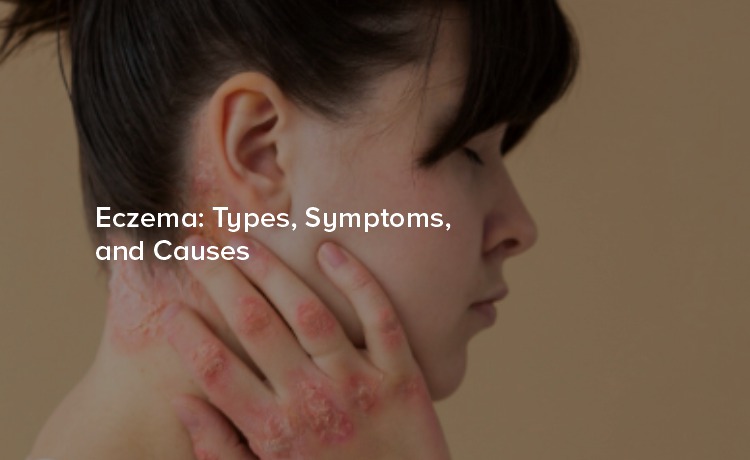
Eczema affects an estimated 10 to 15 million people in India, making it one of the most common chronic skin conditions in the country. Despite its widespread occurrence, many individuals struggle to understand what triggers their flare-ups or even to identify which type of eczema they have.
Whether you're experiencing your first outbreak or have been managing eczema for years, understanding the specifics of your condition is the first step toward finding relief and maintaining healthy skin.
Eczema, also known as dermatitis, is a group of inflammatory skin conditions that cause irritation, redness, and itching. The term "eczema" comes from the Greek word "ekzein," which means "to boil out," reflecting the inflamed appearance of affected skin.
This chronic condition occurs when the skin's protective barrier becomes compromised, allowing moisture to escape and irritants to enter. The result is dry, sensitive skin that's prone to inflammation and infection. While eczema can develop at any age, it most commonly appears during childhood, with many cases beginning before age five.
Understanding the different types of eczema is crucial for proper diagnosis and treatment. Each type has distinct characteristics, triggers, and treatment approaches.
Atopic dermatitis is the most common form of eczema, affecting approximately 16.5 million adults in the United States. This chronic condition typically begins in early childhood and may persist into adulthood.
Key characteristics include:
Contact dermatitis occurs when skin comes into direct contact with an irritating substance or allergen. This type of eczema can affect anyone, regardless of age or previous skin sensitivity.
Two main subtypes exist:
Dyshidrotic eczema primarily affects the hands and feet, causing small, fluid-filled blisters to form on the palms, fingers, and soles. This type tends to be more common in adults and can be particularly challenging to manage due to the location of symptoms.
Distinctive features include:
Nummular eczema, also called discoid eczema, creates distinctive coin-shaped patches of irritated skin. These round lesions can appear anywhere on the body but are most common on the legs, arms, and torso.
Characteristic signs include:
Seborrheic dermatitis affects areas of the body with high concentrations of oil glands, particularly the scalp, face, and upper chest. This type is closely related to the presence of naturally occurring yeast on the skin.
Notable features include:
Stasis dermatitis develops in the lower legs due to poor blood circulation, typically affecting older adults or those with circulation problems. This condition often accompanies varicose veins or other vascular issues.
Key indicators include:
While symptoms vary depending on the type of eczema and individual factors, several common signs appear across all forms of the condition. Recognizing these symptoms early can help you seek appropriate treatment and prevent complications.
The hallmark symptoms of eczema include:
Continued scratching and inflammation can lead to additional complications:
Eczema develops from a complex interaction of genetic, environmental, and immune system factors. While the exact cause remains unclear, research has identified several contributing elements that increase the risk of developing this condition.
Family history plays a significant role in eczema development. If one parent has eczema, asthma, or allergies, their child has approximately a 25% chance of developing eczema. When both parents are affected, this risk increases to about 60%.
Specific genetic variations affect:
Various environmental factors can trigger eczema flare-ups or contribute to the initial development of the condition:
Eczema involves an overactive immune response that creates inflammation even when no real threat exists. This immune dysfunction manifests in several ways:
People with eczema often have a compromised skin barrier that cannot effectively retain moisture or keep irritants out. This barrier dysfunction results from:
Understanding your specific type of eczema, recognizing your symptoms, and identifying your personal triggers forms the foundation of effective management. Keep a detailed journal documenting when flare-ups occur, what products you use, environmental factors, stress levels, and dietary changes.
Work closely with a dermatologist or healthcare provider who can help you develop a personalized treatment plan. This may include prescription medications, specific skincare routines, lifestyle modifications, and strategies for avoiding your identified triggers.