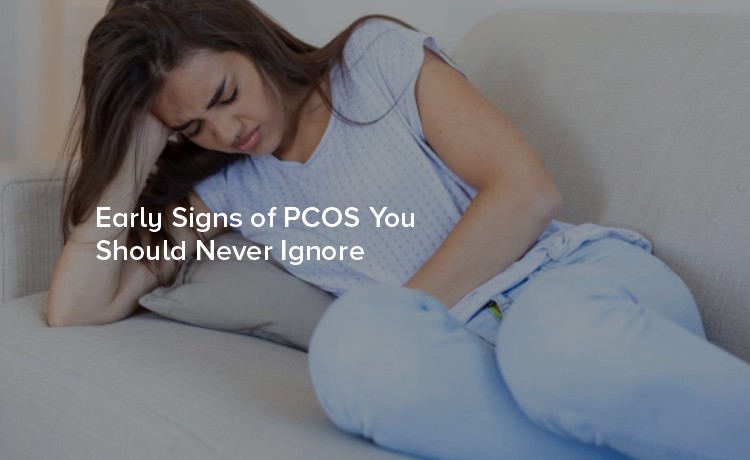
Polycystic ovary syndrome (PCOS) affects approximately 1 in 10 women of reproductive age, yet many cases go undiagnosed for years. This hormonal disorder can significantly impact your quality of life, fertility, and long-term health when left untreated. The challenge lies in recognizing the early warning signs, as PCOS symptoms often develop gradually and can be mistaken for other conditions.
One of the most common early signs of PCOS is irregular menstruation. While cycle variations are normal, persistent irregularities warrant attention.
Women with PCOS may experience infrequent ovulation or complete absence of ovulation, leading to these menstrual irregularities. Some may have fewer than eight periods per year, while others might experience prolonged bleeding episodes.
PCOS often affects how your body processes insulin, leading to weight-related challenges that can be frustrating and concerning.
The insulin resistance associated with PCOS makes it harder for your body to use glucose effectively, often resulting in weight gain and making weight loss more challenging than usual.
Hormonal imbalances in PCOS can cause noticeable changes in hair growth patterns, affecting both where hair grows and where it's lost.
These changes occur due to elevated androgen levels, which are male hormones that women naturally produce in smaller amounts.
Adult acne that doesn't respond to typical treatments can be an early indicator of PCOS, especially when accompanied by other symptoms.
These skin changes result from hormonal imbalances and insulin resistance, making them distinct from typical teenage acne.
The hormonal fluctuations associated with PCOS can significantly impact emotional well-being and mental health.
Research shows that women with PCOS have higher rates of depression and anxiety compared to the general population, making mental health monitoring crucial.
Chronic fatigue is often one of the earliest and most overlooked symptoms of PCOS, significantly impacting daily functioning.
These energy issues often stem from insulin resistance and hormonal imbalances that affect how your body produces and uses energy.
While not always immediately apparent, fertility issues can be an early indication of PCOS, particularly for women trying to conceive.
PCOS is one of the leading causes of female infertility, making early detection and treatment essential for reproductive health.
You should consult a healthcare professional if you experience:
Early diagnosis allows for better symptom management and can prevent long-term complications such as diabetes, heart disease, and endometrial cancer.
Recognizing these early signs of PCOS is the first step toward taking control of your health. PCOS is a manageable condition when properly diagnosed and treated. With the right medical support, lifestyle modifications, and treatment plan, you can effectively manage symptoms and maintain excellent quality of life.
Don't dismiss persistent symptoms as "normal" variations. Your body often provides early warning signs that deserve attention and professional evaluation. Trust your instincts—if something feels different or concerning, seek medical guidance. Early intervention can make a significant difference in managing PCOS and protecting your long-term health.