Your bones are constantly changing throughout your life, breaking down old tissue and building new bone. This process works efficiently when you're younger, but as you age, bone loss can outpace bone formation. Understanding when and why to get a bone density test can help you take proactive steps to protect your skeletal health and prevent serious complications down the road.
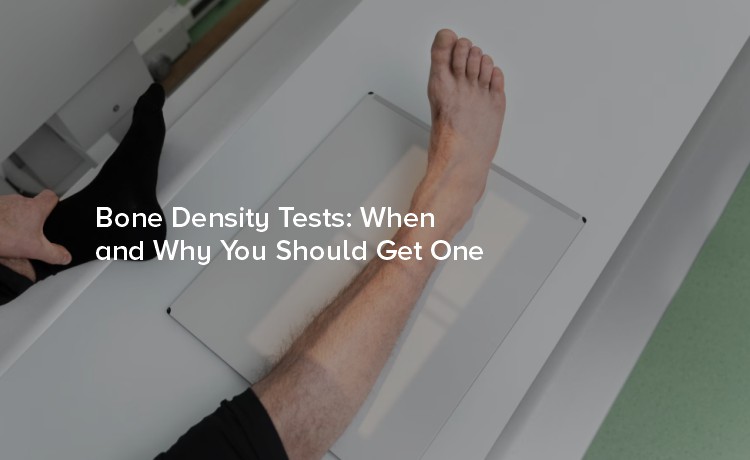
A bone density test uses low-dose X-rays to measure calcium and other minerals in specific areas of your bones, typically the hip, spine, and sometimes the forearm. The most common and accurate type is dual-energy X-ray absorptiometry (DEXA), which takes detailed pictures of your bones to assess their strength.
During the test, you'll lie on a padded table while a scanner passes over your body. The entire process takes about 15-30 minutes and involves minimal radiation exposure—less than you'd receive during a chest X-ray. The results are presented as T-scores and Z-scores, which compare your bone density to that of a healthy 30-year-old adult and to others of your same age and gender, respectively.
All women aged 65 and older should receive regular bone density screening, regardless of risk factors. Women face a higher risk of osteoporosis due to the rapid bone loss that occurs after menopause when estrogen levels drop significantly.
Younger postmenopausal women should consider testing if they have one or more risk factors for osteoporosis, including:
Men should begin routine bone density screening at age 70. Although men generally have larger, denser bones than women, they still experience age-related bone loss and can develop osteoporosis, particularly after age 65.
Certain medical conditions and medications can accelerate bone loss, making earlier testing appropriate. These include:
Your bone density test results will include T-scores for each area tested. Here's what these numbers mean:
Normal bone density: T-score of -1.0 or above
Low bone density (osteopenia): T-score between -1.0 and -2.5
Osteoporosis: T-score of -2.5 or lower
A T-score of -2.5 indicates that your bone density is 2.5 standard deviations below that of a healthy 30-year-old. Each decrease of one standard deviation represents approximately a 10-15% reduction in bone density and roughly doubles your fracture risk.
Testing frequency depends on your initial results and risk factors. If your first test shows normal bone density and you have no risk factors, you may not need another test for several years. However, if you have osteopenia or osteoporosis, your healthcare provider will likely recommend more frequent monitoring, typically every one to two years.
Women taking medications for osteoporosis usually need annual testing to monitor treatment effectiveness. Men and women with multiple risk factors may also benefit from more frequent screening to catch changes early.
Bone density tests require minimal preparation, but a few simple steps can ensure accurate results:
If your test reveals low bone density or osteoporosis, don't panic. Many effective treatments and lifestyle modifications can help strengthen your bones and reduce fracture risk.
Regular weight-bearing exercise, adequate calcium and vitamin D intake, and avoiding smoking and excessive alcohol can significantly improve bone health. Balance and strength training exercises also reduce fall risk, which is crucial for preventing fractures.
Several FDA-approved medications can slow bone loss and even increase bone density. These include bisphosphonates, hormone therapy, and newer treatments like denosumab and teriparatide. Your healthcare provider will work with you to determine the most appropriate treatment based on your specific situation.
Bone density testing is typically covered by Medicare and most insurance plans for individuals who meet screening guidelines. The cost of prevention through early detection and treatment is significantly lower than the expenses associated with fracture treatment, hospitalization, and rehabilitation.
Hip fractures alone result in over 300,000 hospitalizations annually in the United States, with treatment costs exceeding $12 billion per year. Many of these fractures could be prevented through appropriate screening and early intervention.
Bone density testing represents a simple yet powerful tool for protecting your future mobility and independence. By identifying bone loss before fractures occur, you and your healthcare provider can implement strategies to strengthen your bones and reduce your risk of debilitating breaks.
Don't wait for symptoms to appear—osteoporosis is often called the "silent disease" because bone loss occurs without warning signs. If you meet the criteria for bone density screening or have concerns about your bone health, schedule a consultation with your healthcare provider to discuss whether testing is right for you. Your bones support you throughout your life; taking proactive steps to support them in return is one of the best investments you can make in your long-term health and quality of life.