Your heart works tirelessly every day, pumping blood throughout your body and keeping you alive. The foods you choose to fuel your body play a crucial role in supporting cardiovascular health and reducing your risk of heart disease. With heart disease remaining the leading cause of death worldwide, making informed dietary choices has never been more important.
Fatty fish stands out as one of the most beneficial foods for cardiovascular health. These marine sources provide omega-3 fatty acids, which have been extensively studied for their heart-protective properties.
Omega-3 fatty acids help reduce inflammation throughout the body, lower triglyceride levels, and may help prevent irregular heartbeats. The American Heart Association recommends consuming at least two servings of fatty fish per week to maximize these cardiovascular benefits.
For those following plant-based diets, flaxseeds, chia seeds, and walnuts provide alternative sources of omega-3s, though they contain a different type than found in fish.
Whole grains offer significant cardiovascular benefits through their high fiber content and nutrient profile. Unlike refined grains, whole grains retain their bran and germ, providing essential nutrients that support heart health.
The soluble fiber in whole grains helps lower LDL (bad) cholesterol levels by binding to cholesterol in the digestive system and removing it from the body. Additionally, whole grains provide B vitamins, vitamin E, and minerals like magnesium and selenium that support cardiovascular function.
Berries deserve special recognition for their exceptional antioxidant content and heart-protective compounds. These colorful fruits contain anthocyanins, flavonoids, and other phytonutrients that combat oxidative stress and inflammation.
Research suggests that regular berry consumption may help reduce blood pressure, improve cholesterol profiles, and decrease inflammation markers. The natural sugars in whole fruits, combined with their fiber content, provide sustained energy without the blood sugar spikes associated with processed sweets.
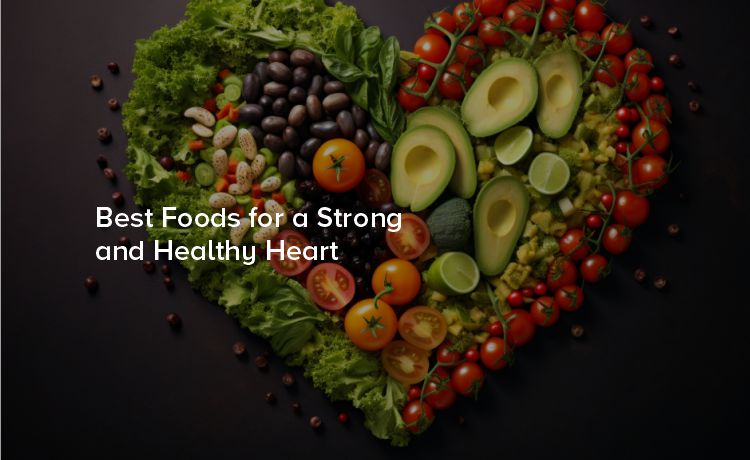
Dark leafy greens and colorful vegetables provide an abundance of vitamins, minerals, and compounds that support cardiovascular health. These foods are naturally low in calories while being exceptionally nutrient-dense.
These vegetables provide folate, potassium,
, and nitrates that help regulate blood pressure and support healthy blood vessel function. The fiber content also contributes to better cholesterol management and overall digestive health.
Nuts and seeds pack impressive nutritional value into small packages. Despite being calorie-dense, they provide healthy fats, protein, fiber, and minerals that benefit cardiovascular health.
Regular nut consumption has been associated with lower risks of heart disease and improved cholesterol profiles. The key is portion control—a small handful (about 1 ounce) provides optimal benefits without excessive calories.
Beans, lentils, and other legumes offer excellent plant-based protein while providing significant amounts of fiber, folate, and potassium. These nutrients work together to support heart health through multiple mechanisms.
The high fiber content in legumes helps lower cholesterol levels, while their plant-based proteins provide alternatives to less heart-healthy animal proteins. The potassium in legumes also helps regulate blood pressure.
While olive oil often receives the most attention, several other healthy fats deserve recognition for their cardiovascular benefits. These fats help improve cholesterol ratios and reduce inflammation.
The monounsaturated fats in olive oil and avocados help raise HDL (good) cholesterol while lowering LDL (bad) cholesterol. These fats also support the absorption of fat-soluble vitamins that contribute to overall health.
Incorporating these heart-healthy foods into your daily routine doesn't require dramatic dietary overhauls. Simple swaps and additions can make significant differences in your cardiovascular health.
Start by replacing refined grains with whole grain alternatives, adding a serving of fatty fish twice weekly, and including a variety of colorful fruits and vegetables in each meal. Choose nuts or seeds as snacks instead of processed options, and experiment with legumes in soups, salads, and main dishes.
The foods you choose each day represent opportunities to support your cardiovascular health actively. By focusing on whole, minimally processed foods rich in omega-3 fatty acids, fiber, antioxidants, and essential nutrients, you provide your heart with the fuel it needs to function optimally.
Remember that dietary changes work best as part of an overall healthy lifestyle that includes regular physical activity, stress management, and adequate sleep. Consider consulting with a healthcare provider or registered dietitian to develop a personalized nutrition plan that addresses your specific health needs and goals.