High cholesterol is a major risk factor for cardiovascular diseases, one of the leading causes of death in India. With dietary habits changing rapidly and sedentary lifestyles becoming more common, managing cholesterol levels is more important than ever for maintaining a healthy heart.
Cholesterol is a fatty substance naturally produced by the liver. While it plays essential roles in your body, such as building cells and producing hormones, having too much low-density lipoprotein (LDL or "bad" cholesterol) can clog your arteries. High cholesterol increases your risk of heart disease, stroke, and other complications.
On the other hand, high-density lipoprotein (HDL or "good" cholesterol) helps remove excess LDL from your bloodstream, making it essential to maintain a healthy balance between the two.
1. Eat Heart-Healthy Foods
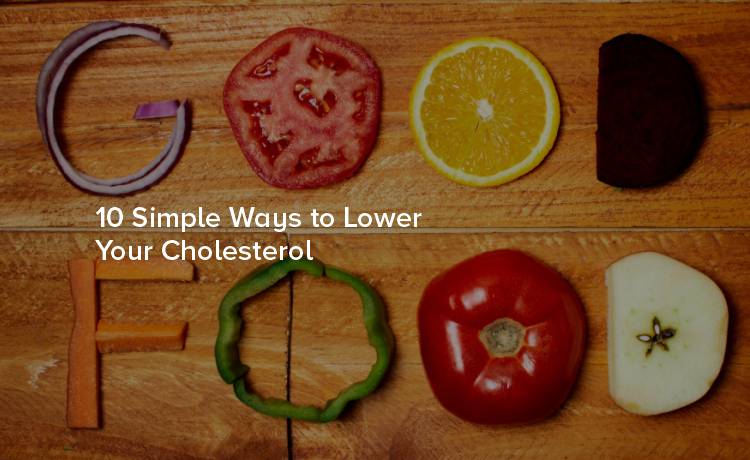
Your diet plays a critical role in controlling your cholesterol levels. A few simple changes to the Indian diet can help dramatically:
Increase Fiber Intake: Foods rich in soluble fiber, such as oatmeal, lentils (dal), kidney beans (rajma), psyllium husk (isabgol), fruits like apples and guavas, and vegetables like okra and sweet potatoes, help decrease LDL cholesterol by binding to it and flushing it from the body.
Choose Healthy Fats: Switch to oils like mustard oil, sesame oil, or cold-pressed coconut oil, which are healthier alternatives to saturated-fat-heavy ghee. Include nuts like almonds and walnuts, rich in omega-3 fatty acids.
Limit Trans Fats: Avoid processed foods like packaged snacks and fried items, which are common in Indian diets. Instead, choose baked or steamed options for meals and snacks.
2. Stay Active with Regular Exercise
Physical activity not only helps raise HDL (good cholesterol) levels but also boosts overall heart health. Incorporate at least 30 minutes of exercise most days of the week. Here are some ideas:
Consistency is key, no matter what activity you choose.
3. Lose Extra Weight
Even shedding a few kilograms can have a significant impact on your cholesterol levels and overall health. For Indian meals, try smaller portion sizes for carbohydrate-rich foods like rice and chapati while increasing servings of vegetables.
Light fasting practices (when done safely) that focus on fruits, water, and light soups can also help. Just be mindful to consult a healthcare professional before starting any weight-loss program.
4. Add More Whole Grains
Whole grains such as brown rice, millets (jowar, bajra, and ragi), and whole wheat are high in fiber and essential nutrients. These help slow digestion and better regulate lipid levels. Opt for whole wheat chapatis over maida-based bread, and switch white rice for healthier alternatives like quinoa or brown rice.
5. Reduce Salt Intake
High sodium levels in the diet can contribute to higher blood pressure, indirectly impacting heart health. Given our cultural love for salty snacks (like namkeen and papads), it’s important to take conscious steps to cut back. Reduce the amount of table salt in daily cooking and choose low-sodium packaged options when available.
6. Include More Plant-Based Foods
A plant-based diet can naturally help lower cholesterol by replacing saturated fats with fiber-rich foods. Incorporate more:
You don’t have to give up meat entirely, but replacing a few meals a week with plant-based options can be highly beneficial.
7. Choose Smart Snacking Options
Late-night or in-between meal snacking is a common Indian habit. Switch chips, bhujia, or samosas for healthier alternatives:
Smart snacking reduces the tendency to consume processed, high-cholesterol foods.
8. Drink in Moderation
If you consume alcohol, do so in moderation. Excessive alcohol intake can contribute to higher triglyceride levels. Limiting intake to one drink per day for women and two for men can help maintain healthier cholesterol levels without compromising heart health.
9. Quit Smoking
Smoking damages the walls of your blood vessels, allowing LDL cholesterol to build up. It also lowers levels of good HDL cholesterol. Quitting smoking has an almost immediate positive impact on your entire cardiovascular system. Consider joining a quit-smoking program or consulting a healthcare provider to support this decision.
10. Stress Less
Stress-management practices are an essential but often overlooked tool in heart health. Chronic stress can indirectly increase cholesterol levels by influencing your eating habits and activity levels. Traditional Indian practices like yoga, pranayama, and meditation are excellent for reducing stress and maintaining a healthy balance in your daily life.
Cardiovascular diseases are on the rise in India, but they don’t have to define the future. By adopting these simple, natural strategies into your daily routine, you can lower your cholesterol and pave the way for a healthier, heart-friendly lifestyle.
Start making proactive choices today for the well-being of yourself and your loved ones. Share this article with your friends and family to help them make heart-healthy changes too.