Gastroenterology is the medical specialty that focuses on the digestive system. It spans the oesophagus, stomach, small intestine, large intestine, rectum, and anus. It also includes the liver, gallbladder, bile ducts, and pancreas. Together, they form one connected pathway, and hence, a problem in one area can echo in another.
A gastroenterologist is the doctor who focuses on this network. They listen to your symptoms, review your history, examine you, and choose tests that fit your situation. Treatment may involve medicines, tailored nutrition, and endoscopic care when needed.
Some common conditions treated by a gastroenterologist include heartburn from gastroesophageal reflux disease, often called GERD, peptic ulcers, celiac disease, irritable bowel syndrome, and inflammatory bowel disease, which includes Crohn’s disease and ulcerative colitis. They also manage gallstones, pancreatitis, chronic liver illness such as viral hepatitis and cirrhosis, bleeding from the digestive tract, and colorectal cancer with screening to catch it early.
Bright red blood mixed with or coating the stool is called hematochezia and usually indicates bleeding in the lower digestive tract. Black stool often points to upper-tract bleeding from the esophagus, stomach, or first part of the small intestine. Any visible blood or persistent black stool requires prompt specialist evaluation.
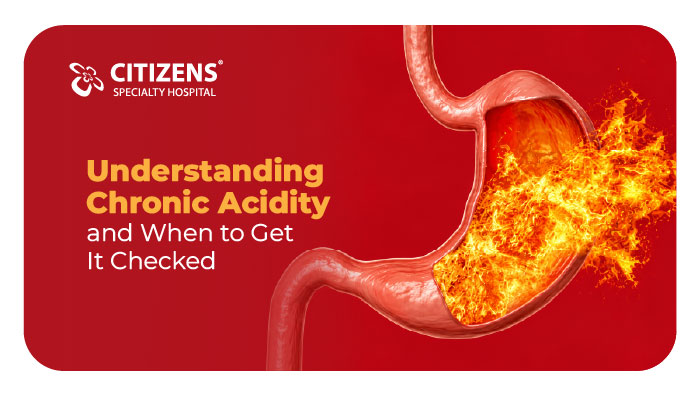
Frequent burning behind the breastbone or sour-tasting fluid in the mouth suggests GERD. Chronic reflux can inflame the esophagus and may lead to complications such as Barrett’s esophagus. If symptoms occur more than two times per week or you rely on over-the-counter remedies regularly, a gastroenterologist can confirm the diagnosis, adjust medications, and decide whether an upper endoscopy is appropriate.
Dysphagia means difficult or painful swallowing. Food that lingers in the chest, repeated choking, or prolonged mealtime effort can signal esophageal conditions such as strictures, rings, eosinophilic esophagitis, or motility disorders. Specialists assess this with endoscopy and tests of esophageal function.
Ongoing pain in the abdomen deserves attention, particularly when it occurs with symptoms such as yellowing of the eyes or skin, fever, vomiting, abdominal tenderness, or swelling. These patterns can accompany ulcer complications, gallbladder or pancreatic disease, intestinal inflammation, or bowel obstruction. A gastroenterologist will determine urgency and select targeted tests.
Constipation is typically fewer than three bowel movements per week with hard, difficult-to-pass stools. Chronic constipation that lasts for months, or new constipation accompanied by bleeding, low blood counts, or weight loss, warrants a thorough work-up to exclude structural and metabolic causes and to guide specific therapies, which may range from fiber strategies to prescription agents or biofeedback.
Diarrhea is passage of three or more loose or liquid stools per day, or more often than is usual for you. When it persists beyond a few days, keeps returning, or comes with dehydration, blood, fever, or weight loss, evaluation is needed. A gastroenterologist decides when to test stool for infection, screen for inflammation, assess for celiac disease or malabsorption, or proceed to colonoscopy.
Jaundice—visible yellowing from elevated bilirubin—can arise from hepatitis, bile-duct blockage, medication-related injury, or pancreatic disease. Dark urine and pale stools suggest bile is not reaching the intestine. Itching without a rash may be another clue to cholestasis, a reduction in bile flow. Specialists use blood tests, ultrasound or CT/MRI, and sometimes ERCP to diagnose and treat the cause.
Weight loss that you did not plan, low energy, and laboratory evidence of iron-deficiency anemia—particularly when combined with bowel changes or bleeding—should trigger an expedited gastroenterology visit. The priority is to identify and treat sources of blood loss or inflammation and to rule out colorectal cancer or inflammatory bowel disease.
This pattern is characteristic of pancreatitis, an inflammatory condition of the pancreas. Acute pancreatitis often follows gallstones or heavy alcohol exposure and may require hospital-based care coordinated by a gastroenterologist. Recurrent episodes or chronic pancreatitis need long-term specialist management focused on pain, nutrition, and prevention of complications.
Vomiting blood—hematemesis—is an emergency and requires urgent endoscopy once you are stabilized. Even without visible blood, ongoing vomiting that persists for more than a day or two, or that is accompanied by dehydration, abdominal pain, or weight loss, can reflect peptic ulcers, obstruction, or motility disorders and warrants prompt assessment.
Testing is individualized to your symptoms and risks. Blood work may check for anemia, markers of liver injury, or celiac disease. Stool tests may look for infection, inflammation, or hidden blood. Breath tests help diagnose lactose intolerance or small-intestinal bacterial overgrowth. Imaging such as ultrasound, CT, or MRI complements endoscopy.
Endoscopic procedures are central:
If you are looking for a gastroenterologist in Hyderabad, prioritize centers that offer a full-service endoscopy unit, therapeutic colonoscopy and polypectomy, ERCP for bile-duct and pancreatic-duct disease, and coordinated care with hepatology, interventional radiology, anesthesia, and critical care.
In India, advanced-training credentials to look for include DM or DNB in Gastroenterology, with specific experience in the procedure you need—such as endoscopic dilation for strictures, endoscopic mucosal resection for large polyps, or complex ERCP.
Choosing the best gastroenterologist in Hyderabad depends on your condition and its urgency. For chronic reflux or celiac disease, an outpatient clinic with structured follow-up may suit you. For suspected bleeding, severe abdominal pain, jaundice, or pancreatitis, a hospital-based team with 24×7 endoscopy and ICU backup is safer.
Citizens Specialty Hospital in Hyderabad is a multi-specialty center that provides comprehensive gastrointestinal services—diagnostic and therapeutic endoscopy, colonoscopy, and coordinated care for liver, biliary, and pancreatic disorders. Hospital-based gastroenterology teams streamline care so that blood tests, imaging, endoscopy, and definitive treatments can be completed efficiently on the same campus when urgency arises.
Digestive symptoms often overlap and evolve. The safest approach is symptom-specific evaluation led by a gastroenterologist—especially for bleeding, persistent swallowing trouble, frequent reflux, sustained bowel changes, jaundice, weight loss, or severe pain. Early, specialist-guided testing and treatment help prevent complications and protect long-term digestive health.