Experiencing left side stomach pain can be alarming, especially when you're unsure about its cause. While occasional discomfort might seem minor, persistent or severe pain in your upper left abdomen deserves attention and proper evaluation.
Understanding the potential causes of left-sided abdominal pain empowers you to make informed decisions about your health. This comprehensive guide explores the most common reasons behind upper left abdomen pain causes, helping you recognize when to seek medical care and what treatment options might be available.
The upper left quadrant of your abdomen contains several important organs that can be sources of pain when irritated, inflamed, or injured. These structures work together to support digestion, circulation, and other essential bodily functions.
Key organs in this region include your stomach, spleen, left kidney, pancreas (tail portion), and parts of your large intestine. The diaphragm muscle and lower ribs also contribute to the complex anatomy of this area.
When pain occurs in your upper left abdomen, the specific location, quality, and accompanying symptoms often point toward particular organ systems. Sharp pain might suggest different conditions than dull, aching sensations, while pain that radiates to other areas provides additional diagnostic clues.
Symptoms accompanying left side stomach pain may vary widely depending on the cause. Common signs include:
f the pain is severe, persistent, or associated with alarming symptoms such as high fever, vomiting blood, or difficulty breathing, it is crucial to seek immediate medical attention.
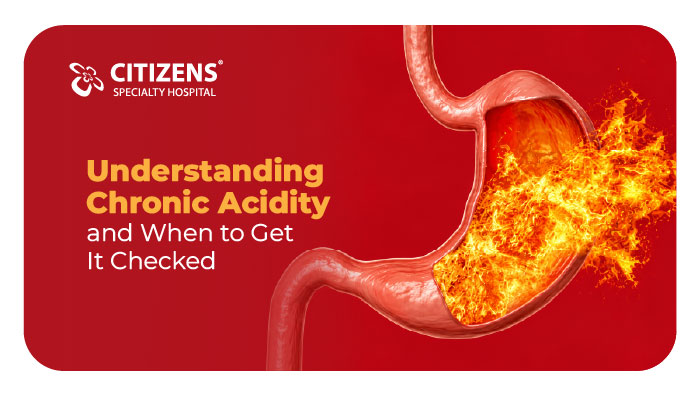
Gastritis represents one of the most frequent causes of upper left abdomen pain. This condition involves inflammation of your stomach lining, often resulting from bacterial infections, prolonged use of nonsteroidal anti-inflammatory drugs (NSAIDs), or excessive alcohol consumption.
Symptoms typically include:
The pain from gastritis usually develops gradually and may be accompanied by indigestion or heartburn. Many patients describe the discomfort as a persistent ache that intensifies during meals or when lying down.
Your spleen, located beneath your left ribs, filters blood and supports immune function. When enlarged or injured, it can cause significant left side stomach pain. Splenomegaly (enlarged spleen) may result from infections, blood disorders, or liver disease.
Splenic pain characteristics include:
Splenic rupture, though rare, represents a medical emergency requiring immediate attention. This condition typically occurs following trauma and causes severe, sudden pain accompanied by signs of internal bleeding.
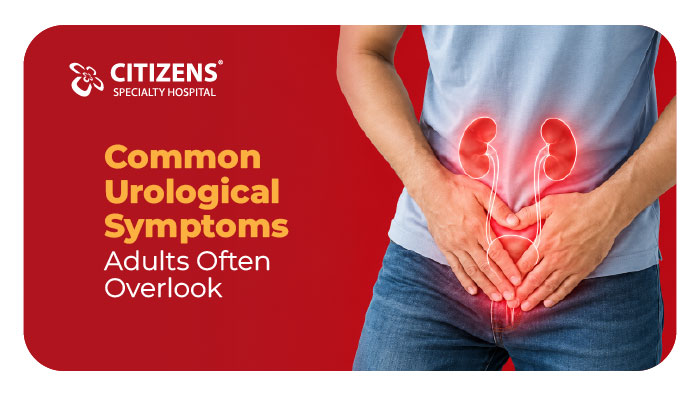
Left kidney problems frequently manifest as upper left abdomen pain, particularly when stones block the ureter or infections develop. Kidney stones form when minerals crystallize in concentrated urine, creating painful obstructions.
Kidney-related pain often presents as:
Kidney infections (pyelonephritis) cause similar pain patterns but typically include fever, chills, and systemic symptoms that distinguish them from simple stone passage.
The tail of your pancreas extends into the upper left abdomen, making pancreatic inflammation (pancreatitis) another potential cause of left side stomach pain. This condition can be acute or chronic, with alcohol use and gallstones being common triggers.
Pancreatic pain characteristics include:
Chronic pancreatitis develops over time and may cause persistent, dull pain with episodes of acute exacerbations.
Various digestive conditions can cause left side stomach pain, including inflammatory bowel disease, diverticulitis, and gastroesophageal reflux disease (GERD). The descending colon, located in the left abdomen, may become inflamed or develop small pouches (diverticula) that can rupture.
Common digestive-related symptoms include:
These conditions often have chronic components with periodic flare-ups that can significantly impact daily activities and quality of life.
While mild, occasional left side stomach pain might resolve on its own, certain symptoms warrant immediate medical evaluation. Understanding these warning signs helps ensure timely treatment of potentially serious conditions.
Seek emergency care if you experience:
Schedule prompt medical consultation for persistent pain lasting more than a few days, recurring episodes, or pain that interferes with normal activities. Early evaluation often leads to more effective treatment outcomes.
Healthcare providers use various methods to diagnose the cause of left side stomach pain. The evaluation process typically begins with a detailed medical history and physical examination, focusing on pain location, quality, timing, and associated symptoms.
Diagnostic tests may include blood work to check for infection, inflammation, or organ dysfunction. Imaging studies such as ultrasound, CT scans, or MRI provide detailed views of internal organs and can identify structural abnormalities.
Specialized tests like endoscopy might be necessary to examine the digestive tract directly, while urine analysis helps detect kidney problems or urinary tract infections.
The treatment for left side stomach pain depends entirely on the underlying cause.
For mild, non-specific pain, some home strategies may help:
Depending on the condition, medications may include:
Severe or life-threatening causes may require surgery, including:
Chronic or recurring upper left abdomen pain causes may require ongoing monitoring, dietary adjustments, and sometimes physical therapy for musculoskeletal issues.
Left side stomach pain shouldn't be ignored, especially when it's persistent or severe. Understanding the potential causes empowers you to seek appropriate care and communicate effectively with healthcare providers about your symptoms. Remember that early intervention often prevents complications and improves treatment success. If you're experiencing concerning abdominal pain, don't hesitate to consult with a qualified healthcare professional who can provide accurate diagnosis and appropriate treatment recommendations tailored to your specific needs.