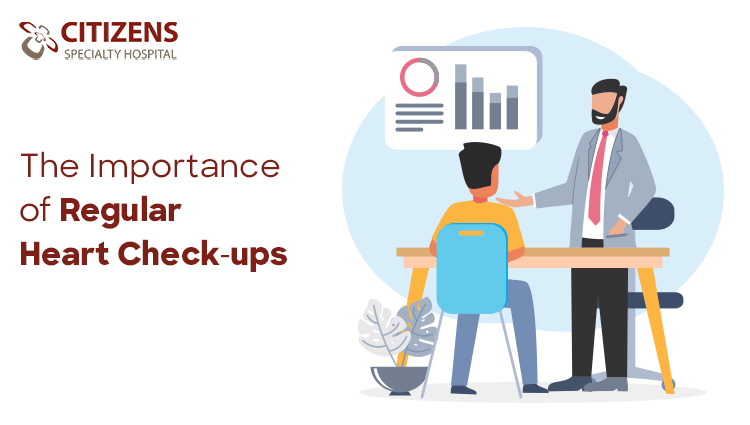
Your heart beats approximately 100,000 times each day, pumping blood through 60,000 miles of vessels to keep your body functioning. Despite this tireless work, many people only think about their heart health when something goes wrong. Regular heart check-ups offer a proactive approach to cardiovascular wellness, helping detect potential issues before they become serious health concerns.
Cardiovascular disease remains the leading cause of death worldwide, claiming nearly 18 million lives annually according to the World Health Organization. Many of these deaths could be prevented with early detection and intervention. Regular cardiac screenings provide invaluable insights into your heart's condition, allowing your healthcare team to identify risk factors, monitor existing conditions, and implement preventive strategies tailored to your unique health profile.
Heart disease doesn't develop overnight. It typically progresses gradually over years or even decades, often without noticeable symptoms in its early stages. This silent progression makes regular check-ups essential for catching warning signs before they escalate.
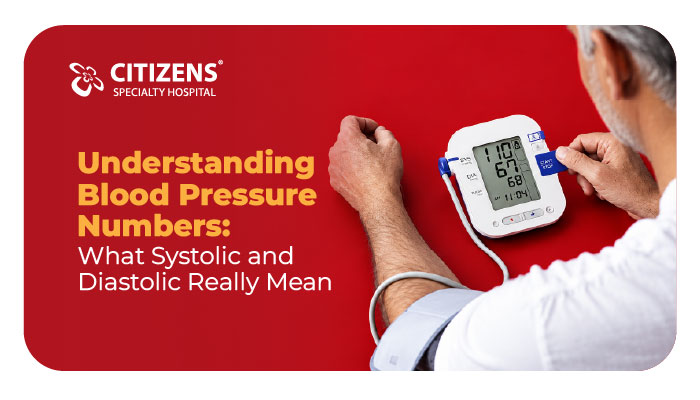
During a comprehensive cardiac evaluation, your physician assesses multiple risk factors including blood pressure, cholesterol levels, blood sugar, body mass index, and family history. These measurements provide a detailed picture of your cardiovascular health and help identify potential concerns that may require attention.
Certain populations face elevated risk for heart disease. If you have a family history of cardiac conditions, diabetes, high blood pressure, or if you're over 40, regular screenings become even more critical. Lifestyle factors such as smoking, physical inactivity, and poor diet also increase your vulnerability to cardiovascular complications.
Many heart conditions, including hypertension, arrhythmias, and coronary artery disease, develop silently. Without noticeable symptoms, these issues can progress to severe complications such as heart attacks, strokes, or heart failure. Regular check-ups help detect these problems early, allowing timely interventions that can prevent irreversible damage.
Even if you feel healthy, you might be at risk for heart disease due to factors like:
Routine heart evaluations help track these risk factors and guide you toward lifestyle or medication adjustments before they become dangerous.
Cardiologists can tailor prevention strategies to your unique health profile. For example, if your cholesterol levels are slightly elevated, your doctor may recommend dietary modifications and increased physical activity before prescribing medication. Preventive healthcare is all about stopping heart disease before it starts.
A heart check-up typically involves several diagnostic tests and evaluations. These can vary depending on your age, symptoms, and medical history, but usually include:
Your doctor will start with a basic assessment—checking your blood pressure, heart rate, weight, and body mass index (BMI). They’ll also ask about symptoms like chest pain, shortness of breath, dizziness, or fatigue.
Blood tests help evaluate cholesterol levels, triglycerides, blood sugar, and markers of inflammation like C-reactive protein (CRP), which can indicate heart disease risk.
An ECG records the heart’s electrical activity, helping detect arrhythmias, previous heart attacks, or ongoing heart strain.
This ultrasound scan provides a detailed view of the heart’s structure and pumping efficiency, revealing issues like valve disorders or heart muscle weakness.
Also known as a treadmill or exercise test, this measures how your heart performs under physical stress. It helps assess blood flow and detect blocked arteries.
These advanced imaging techniques can detect plaque buildup in the arteries, indicating early atherosclerosis.
By combining these evaluations, doctors can gain a complete picture of your heart’s health and recommend necessary lifestyle or medical interventions.
The frequency of heart check-ups depends on your age, health status, and risk factors.
Consistency is key. Even if your tests are normal, routine follow-ups help identify any gradual changes before they become serious.
Your cardiovascular health journey extends far beyond the doctor's office. Between appointments, the daily choices you make significantly impact your heart's wellbeing.
A heart-healthy diet emphasizes whole grains, lean proteins, fruits, vegetables, and healthy fats while limiting processed foods, excessive sodium, and added sugars. Your physician can provide personalized dietary recommendations based on your specific health needs.
Regular exercise strengthens your heart muscle, improves circulation, and helps maintain healthy blood pressure and cholesterol levels. Most adults benefit from at least 150 minutes of moderate-intensity activity each week, though your doctor will advise what's appropriate for your individual circumstances.
Chronic stress contributes to heart disease through multiple pathways, including elevated blood pressure and unhealthy coping behaviors. Incorporating stress-reduction techniques such as meditation, deep breathing, or enjoyable hobbies supports both mental and cardiovascular wellness.
If your physician prescribes medications to manage blood pressure, cholesterol, or other conditions, taking them as directed plays a crucial role in protecting your heart. Never discontinue prescribed medications without consulting your healthcare provider.
Engage in at least 150 minutes of moderate exercise or 75 minutes of vigorous exercise per week. Activities like brisk walking, swimming, or cycling strengthen the heart and improve circulation.
Smoking damages the arterial walls and decreases oxygen levels in the blood, leading to increased risk of heart attack and stroke. Quitting smoking yields immediate cardiovascular benefits.
Chronic stress elevates blood pressure and releases harmful hormones that can damage arteries. Mindfulness, yoga, and meditation can help maintain emotional and cardiovascular balance.
Poor sleep affects heart rate, blood pressure, and metabolism. Aim for 7–8 hours of quality sleep each night to allow your body to repair and rejuvenate.
Moderate drinking (if at all) is essential. Excess alcohol can raise blood pressure and contribute to cardiomyopathy (heart muscle weakness).
Seek medical help right away if you experience:
The importance of regular heart check-ups cannot be overstated. They are your best defense against silent, life-threatening heart diseases. Pairing preventive healthcare with mindful lifestyle practices—like healthy eating and understanding intermittent fasting myths versus intermittent fasting health benefits—can help you take control of your cardiovascular well-being.
Whether you’re in your 20s or your 60s, now is the perfect time to make your heart health a top priority. Schedule your check-up, stay informed, and adopt habits that nourish both your body and mind. After all, a healthy heart means a healthier, happier life.